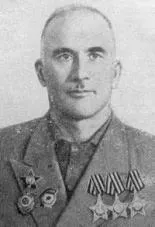
Seitnebi Abduramanov
Crimean Tatar scout of the Second World War and full cavalier of the Order of Glory; after the war he settled in Uzbekistan and lived in Namangan.
- Occupation:
- Military officer
- Born:
- February 15 1914(73 years old) ♒ — December 15, 1987
Biography
Seitnebi Abduramanov was born on 15 February 1914 in the village of Buyuk-Karalez (now Krasny Mak) in the Bakhchysarai district of Crimea, into a peasant family. He was a Crimean Tatar. After seven years of school he was called up into the Red Army in 1936; once discharged he worked in the district finance department. In the spring of 1941 he was called up again and sent to a school for junior commanders.
He met the war in an artillery unit at Novograd-Volynsky. In the first engagements his gun crew knocked out three enemy tanks, and when the gun was lost the gunners went on fighting as infantry. He later fought at Stalingrad with the 95th Rifle Division, was concussed and wounded twice, and on 14 October 1942 was gravely wounded in the fighting at the tractor works and sent to the rear. Back in the ranks, he took part in the Battle of Kursk and the liberation of the Left-Bank Ukraine, where he was badly wounded again. In hospital a letter from fellow villagers told him that his parents had been shot for helping partisans and that their house had been burned down.
After treatment Abduramanov joined the 1232nd Rifle Regiment of the 370th Rifle Division. On 20 October 1944, on the Puławy bridgehead on the Vistula, he led his squad unseen to the enemy trenches in broad daylight and seized a prisoner whose testimony the division command put to use; for this he received the Order of Glory, third class. He was then moved to a foot reconnaissance platoon, and a raid that gathered information on the enemy’s fire system brought him the Medal “For Courage”.
In January 1945, during the Vistula–Oder Offensive, his scouts moved at the head of the battalion. On 29 January near Geize-Mühle in Germany he and eight men slipped round the village and burst into the enemy trenches, killing seven soldiers and capturing three. He received the Order of Glory, second class, for it on 21 February and the Order of the Red Star on 25 February. In April, in the approaches to Berlin, he took over a platoon whose commander had fallen and led it up a height near Selchow, then struck the village of Lippe from the flank and threw the enemy into confusion. His regimental commander recommended him for the Order of Glory, first class.
The regiment was disbanded in November 1945. Abduramanov could not return to Crimea, since the Crimean Tatars had been deported from the peninsula in 1944, and he went to relatives in Uzbekistan. A decree of the Presidium of the Supreme Soviet of the USSR of 15 May 1946 awarded him the Order of Glory, first class, making him a full cavalier of the order, yet he did not know of it: the order was handed to him only in 1968, at the military commissariat in Namangan.
He spent the rest of his life in Namangan, working at a factory. He died there on 15 December 1987 and was buried in the city cemetery. In 2017 a memorial marker was set up in his native village.
Career
- Workers’ and Peasants’ Red ArmyScout, assistant platoon commander (1232nd Rifle Regiment, 370th Rifle Division) · 1941–1945
Awards

 Order of the Red Star1945 · USSR
 Order of Glory, 1st class1946 · USSR
 Order of Glory, 2nd class1945 · USSR
 Order of Glory, 3rd class1944 · USSR


Life path
- 1914Birth
Born in the village of Buyuk-Karalez in the Bakhchysarai district of Crimea, into a peasant family.
- 1936Called up into the Red Army
After service he worked in the district finance department.
- 1941Outbreak of war
Served in an artillery unit at Novograd-Volynsky; in the first battle his crew knocked out three enemy tanks.
- 1942Stalingrad
Fought with the 95th Rifle Division; gravely wounded on 14 October in the fighting at the tractor works.
- 1943–1944Kursk and the Left-Bank Ukraine
Fought in a division that had become a Guards unit, was gravely wounded again and after hospital joined the 1232nd Rifle Regiment.
- 1944Prisoner seized; Order of Glory, third class
Led a daylight raid near Puławy on 20 October and took a prisoner; decorated by divisional order of 28 December.
- 1945Order of Glory, second class, and Order of the Red Star
For the action of 29 January near Geize-Mühle he received the Order of Glory, second class, on 21 February and the Red Star on 25 February.
- 1945Battles for Selchow and Lippe
In April, on the approach to Berlin, he led a platoon in the assault; his regimental commander recommended him for the Order of Glory, first class.
- 1945End of service
The regiment was disbanded in November; unable to return to Crimea, he went to relatives in Uzbekistan.
- 1946Full cavalier of the Order of Glory
By decree of the Presidium of the USSR Supreme Soviet of 15 May he was awarded the Order of Glory, first class.
- 1968Presentation of the order
The order was formally handed to him at the city military commissariat in Namangan.
- 1987Death
Died in Namangan on 15 December and was buried in the city cemetery.