Biography
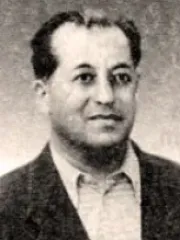
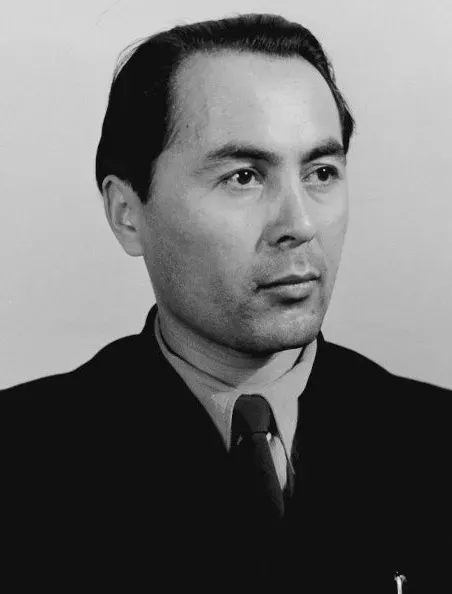
Sabir Babaev (Uzbek: Sobir Boboyev) was born on 30 December 1920 in Tashkent. He lost his father early and was raised in an orphanage. He studied composition at the Tashkent Conservatory in the class of Professor Boris Nadezhdin and graduated in 1949.
In 1943–1947 he worked as an assistant choirmaster at the Uzbek Radio Committee, and in 1949–1950 he was artistic director of the song and dance ensemble of the Uzbek State Philharmonic. From 1948 he held leading posts in the Union of Composers of Uzbekistan: in 1948–1956, in the first half of the 1960s and in 1982–1985 he headed it as first secretary or chairman (sources differ slightly on the years). In 1958–1960 he chaired the Choral Society of Uzbekistan.
His works of the 1950s include the “Festive Overture” for an orchestra of Uzbek folk instruments (1951), performed in 1951 in Moscow at the Decade of Uzbek Literature and Art; the cantata “Cotton Festival” to words by Ramz Babajan (1955); the symphonic poem “On the Day of the Festival” (1958); and music for the musical drama “Love of the Homeland” (“Vatan ishqi”, 1957).
His best-known stage work is the opera “Hamza” to a libretto by Komil Yashin, staged in 1961 at the Navoi Opera and Ballet Theatre in Tashkent. He later wrote the children’s opera “Split, Stone” (1967), the opera “Fidoyilar” (“At the Cost of Life”, staged in Samarkand in 1973) and the musical drama “Song of Love” (1980). His romances “Yor ketdi”, “Qalb” and “Meros” are named among the best-known examples of his chamber music.
In 1966–1969 he was director and artistic director of the Samarkand Opera and Ballet Theatre, and in 1972–1976 artistic director of the Uzbek State Philharmonic. In 1969–1977 he taught at the Tashkent Conservatory. In 1967 he was given the honorary title Honored Art Worker of the Uzbek SSR, and in the same year he became a laureate of the Youth Prize of Uzbekistan. He received the Order of the Badge of Honour four times (1950, 1951, 1959, 1965) and the El-Yurt Hurmati Order in 1998.
In the 1990s he composed cycles of romances to poems by Navoi, Mashrab and Nodira. Sabir Babaev died in 2004.
Education
- State Conservatory of UzbekistanUniversity · 1949 · Composition (class of B. Nadezhdin)
Career
- Uzbek RadioAssistant choirmaster · Tashkent · 1943–1947
- Uzbek State PhilharmonicArtistic director of the song and dance ensemble · Tashkent · 1949–1950
- Union of Composers of UzbekistanLeader (first secretary, chairman) · Tashkent · 1948–1956
- State Conservatory of UzbekistanTeacher · Tashkent · 1969–1977
- Samarkand Theatre of Opera and BalletDirector and artistic director · Samarkand · 1966–1969Everyone who held this post →
Awards
 Order «El-yurt hurmati»1998 · Uzbekistan
- Honoured Art Worker of the Uzbek SSR1967 · Uzbek SSR
 Order of the Badge of Honour1950 · USSR
- Order of the Badge of Honour1951 · USSR
- Order of the Badge of Honour1959 · USSR
- Order of the Badge of Honour1965 · USSR
Life path
- 1920Birth
Born in Tashkent.
- 1943–1947Radio Committee
Worked as assistant choirmaster at the Uzbek Radio Committee.
- 1948–1956Union of Composers
Headed the Union of Composers of Uzbekistan (as first secretary or chairman).
- 1949Graduation
Graduated from the Tashkent Conservatory in the class of Professor B. Nadezhdin.
- 1949–1950Philharmonic ensemble
Artistic director of the song and dance ensemble of the State Philharmonic.
- 1951“Festive Overture”
His work was performed at the Decade of Uzbek Literature and Art in Moscow.
- 1958–1960Choral Society
Chairman of the Choral Society of Uzbekistan.
- 1961Opera “Hamza”
The opera to a libretto by K. Yashin was staged in Tashkent at the Navoi Theatre.
- 1966–1969Samarkand theatre
Director and artistic director of the Samarkand Opera and Ballet Theatre.
- 1967Title and prize
Awarded the title Honored Art Worker of the Uzbek SSR; became a laureate of the Youth Prize of Uzbekistan.
- 1969–1977Teaching
Taught at the Tashkent Conservatory.
- 1972–1976State Philharmonic
Artistic director of the Uzbek State Philharmonic.
- 1982–1985Back at the Union
Again among the leaders of the Union of Composers.
- 1998El-Yurt Hurmati Order
Awarded this order.
Works
- “Festive Overture” (1951)Overture
A work for an orchestra of Uzbek folk instruments; performed in 1951 at the Decade in Moscow.
- “Cotton Festival” (1955)Cantata
A four-movement cantata about cotton growers to words by Ramz Babajan.
- “Love of the Homeland” (“Vatan ishqi”) (1957)Musical drama
Music for the drama by Sh. Sa’dulla and Z. Fatkhullin.
- “On the Day of the Festival” (1958)Symphonic poem
A work for symphony orchestra.
- “Hamza” (1961)Opera
An opera to a libretto by Komil Yashin, staged in Tashkent at the Navoi Theatre.
- “Split, Stone” (1967)Children’s opera
A children’s fairy-tale opera to a libretto by Sh. Sa’dulla.
- “Fidoyilar” (“At the Cost of Life”) (1973)Opera
An opera to a libretto by Sh. Sa’dulla and Z. Fatkhullin, staged at the Samarkand theatre.
- “Song of Love” (1980)Musical drama
A musical drama staged in Urgench.
- “Yor ketdi”, “Qalb”, “Meros”Romances
Romances noted for the freshness of their musical language and their vivid emotion.