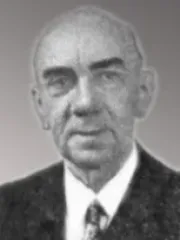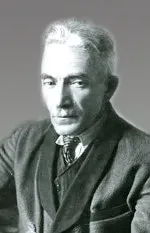
Viktor Uspensky
Russian and Soviet composer, musicologist and folklorist who notated the music of Central Asian peoples; author of the musical drama “Farhad and Shirin” and People's Artist of the Uzbek SSR.
Biography
Viktor Aleksandrovich Uspensky was born on 31 August 1879 (19 August in the old style) in Kaluga. He graduated from the Orenburg military cadet corps in 1898 and served in the Caucasus in 1900–1904. He then chose music, entered the St Petersburg Conservatory, and in 1913 graduated in composition from the class of A. K. Lyadov.
From 1918 he lived in Tashkent, where that year he became one of the organizers of the Turkestan People's Conservatory and taught harmony there. Turning to the music of Central Asian peoples, in 1923 he was the first to notate the instrumental and vocal parts of the Shashmaqam in Bukhara; the collection was published in Moscow in 1924. He later also noted down Ferghana–Tashkent maqam melodies.
In 1925–1929 he led three folklore and ethnographic expeditions to Turkmenistan and recorded more than 350 songs and instrumental pieces; the results went into the book “Turkmen Music” (1928), written with V. M. Belyaev. In 1931 he headed an expedition to the Ferghana Valley. He wrote scholarly works on Uzbek, Tajik and Turkmen music.
In 1928–1934 he headed the national music department of the Uzbek music technical school, and from 1932 until his death he worked as a researcher and head of the music cabinet at the Institute of Art Studies. From 1936 he taught at the Tashkent Conservatory and was dean of its music theory faculty; in 1943 he received the degree of Doctor of Art Studies.
As a composer he drew on Uzbek and Turkmen folklore. His musical drama “Farhad and Shirin”, based on Navoi's poem (1936), was staged in Tashkent; he reworked it with G. Mushel and later turned it into an opera. For symphony orchestra he wrote “Four Melodies of the Peoples of Central Asia” (1934), the “Uzbek Poem-Rhapsody” (1944) and a “Lyrical Poem” in memory of Navoi (1947), composed music for Hamid Olimjon's play “Muqanna”, and arranged Uzbek folk songs.
He was named People's Artist of the Turkmen SSR in 1929 and of the Uzbek SSR in 1937, and on 31 May 1937 received the Order of the Badge of Honour. Uspensky died in Tashkent on 9 October 1949 and was buried at the Botkin Cemetery. A specialised music school in Tashkent bears his name; his book “Uzbek Vocal Music” appeared after his death, in 1950.
Education
- Orenburg Military Cadet CorpsSchool · 1898
- Rimsky-Korsakov Leningrad ConservatoryUniversity · 1913 · Composition, class of A. K. Lyadov (then the St Petersburg Conservatory)
Career
- State Conservatory of UzbekistanTeacher, professor, dean of the music theory faculty · Tashkent · 1936–1949
- Tashkent People's ConservatoryCo-organizer, teacher of harmony · Tashkent · 1918–1922
- Uzbek Music Technical SchoolHead of the national music department · Tashkent · 1928–1934
- Institute of Art Studies (Tashkent)Researcher, head of the music cabinet · Tashkent · 1932–1949
Awards
 People's Artist of the Uzbek SSR1937 · Uzbek SSR
 Order of the Badge of Honour1937 · USSR
Life path
- 1898Graduates from cadet corps
Finished the Orenburg military cadet corps.
- 1900–1904Military service
Served in the Caucasus.
- 1913St Petersburg Conservatory
Graduated in composition from the class of A. K. Lyadov.
- 1918Moves to Tashkent
Became one of the organizers of the Turkestan People's Conservatory and taught harmony.
- 1923–1924Notating the Shashmaqam
In Bukhara he notated the instrumental and vocal parts of the Shashmaqam; the collection was published in 1924.
- 1925–1929Turkmenistan expeditions
Recorded more than 350 Turkmen songs and instrumental pieces on three expeditions.
- 1931Ferghana Valley expedition
Led a music-ethnographic expedition.
- 1932–1949Institute of Art Studies
Worked as a researcher and head of the music cabinet.
- 1936“Farhad and Shirin” and the conservatory
The musical drama was staged; from this year he taught at the Tashkent Conservatory.
- 1937People's Artist of the Uzbek SSR
Received the title of People's Artist and the Order of the Badge of Honour.
- 1943Doctor of Art Studies
Received the degree of Doctor of Art Studies; wrote music for the play “Muqanna”.
- 1949Death
Died in Tashkent on 9 October.
Works
- “Shashmaqam” (1924)Music collection
The instrumental and vocal parts of the Shashmaqam, notated in Bukhara.
- “Turkmen Music” (1928)Scholarly work
A book written with V. M. Belyaev.
- “Four Melodies of the Peoples of Central Asia” (1934)Orchestral work
For symphony orchestra.
- “Farhad and Shirin” (1936)Musical drama
Based on Navoi's poem; reworked with G. Mushel and later turned into an opera.
- “Music to Texts by A. Navoi” (1940)Scholarly work
- “Muqanna” (1943)Incidental music
Music for Hamid Olimjon's play.
- “Uzbek Poem-Rhapsody” (1944)Orchestral work
- “Turkmen Capriccio” (1945)Orchestral work
- “Lyrical Poem” (1947)Orchestral work
In memory of Navoi; for symphony orchestra, Uzbek folk instruments and vocalists.
- “Uzbek Vocal Music” (1950)Scholarly work
Published after the author's death.