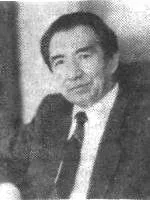
Biography
Barot Tillayevich Boyqobilov was born on 14 March 1937 in the village of Kenagas in the Urgut district of the Samarkand region. In 1962 he graduated from the philology faculty of Samarkand State University.
He began working in publishing and the press: in 1962–1963 at the Uzbek State Publishing House of Fiction, in 1963–1968 at a youth newspaper, and in 1968–1974 at the children's literature publishing house, where he was an editor, head of a department and deputy editor-in-chief. From 1974 to 1990 he served in Party and government bodies, and from 1991 he was editor-in-chief of the magazine Muloqot (“Dialogue”).
His first collection of poems, “Lines of Samarkand”, appeared in 1962. It was followed by “Reunion” (1965), “I Am Looking for You” (1968), “Samarkand Ushshaq” (1969), “Afrasiab” (1970), “Who Lives Quietly in Uzbekistan” (1990) and other books, as well as several dastans. His poetic tale “Day and Night” (1968) was the first work of Uzbek literature to give Babur an artistic image.
Boyqobilov contributed substantially to the development of the sonnet in Uzbek poetry and translated sonnets by Petrarch, Shakespeare, Neruda and Rasul Gamzatov into Uzbek.
A large part of his work is devoted to the life and legacy of Alisher Navoi: the dastans “A Majestic Caravan” (1981), “Restless Khorasan” (1985), “Quiet Khorasan” and “Bloody Khorasan” (both 1992), and the verse novel “Hayrat ul-Abror” (1997). On their basis he later produced the “New Khamsa” of five dastans (1998) and the verse novel “Uzbeknoma” (1999).
In 1994 he received the Alisher Navoi State Prize of the Republic of Uzbekistan, and in 1997 he was given the title People's Poet of Uzbekistan. Barot Boyqobilov died in 2006.
Education
- Samarkand State UniversityUniversity · Samarkand · 1962 · Faculty of Philology
Career
Awards
 People's Poet of Uzbekistan1997 · Uzbekistan
- Alisher Navoi State Prize of Uzbekistan1994 · Uzbekistan
Life path
- 1937Birth
Born in the village of Kenagas in the Urgut district of the Samarkand region.
- 1962University degree; first book
Graduated from the philology faculty of Samarkand State University; the collection “Lines of Samarkand” was published.
- 1962–1974Publishing and the press
Editor, head of department and deputy editor-in-chief at a fiction publisher, a youth newspaper and the children's literature publisher.
- 1968The poetic tale “Day and Night”
The first work in Uzbek literature to give Babur an artistic image.
- 1974–1990Party and government bodies
Held responsible posts.
- 1981–1997The Navoi cycle
The dastans “A Majestic Caravan”, “Restless Khorasan”, “Quiet Khorasan” and “Bloody Khorasan”, and the verse novel “Hayrat ul-Abror”.
- 1991Muloqot magazine
Became its editor-in-chief.
- 1994Navoi State Prize
Became a laureate of the Alisher Navoi State Prize of the Republic of Uzbekistan.
- 1997People's Poet of Uzbekistan
Awarded the country's highest honorary title for a poet.
- 1998–1999“New Khamsa” and “Uzbeknoma”
Published the “New Khamsa” of five dastans and the verse novel “Uzbeknoma”.
- 2006Death
Died.
Books
- “Lines of Samarkand”1962 · Poetry collection
The poet's first book.
- “Reunion”1965 · Poetry collection
A poetry collection.
- “I Am Looking for You”1968 · Poetry collection
A poetry collection.
- “Day and Night”1968 · Poetic tale
The first work in Uzbek literature to give Babur an artistic image.
- “Samarkand Ushshaq”1969 · Poetry collection
A poetry collection.
- “Afrasiab”1970 · Poetry collection
A poetry collection.
- “A Majestic Caravan”1981 · Dastan
The first part of the cycle on the life of Navoi.
- “Restless Khorasan”1985 · Dastan
The sequel in the Navoi cycle.
- “Who Lives Quietly in Uzbekistan”1990 · Poetry collection
One of his later collections.
- “Quiet Khorasan”1992 · Dastan
The third book of the Navoi cycle.
- “Bloody Khorasan”1992 · Dastan
The fourth book of the Navoi cycle.
- “Hayrat ul-Abror”1997 · Verse novel
The fifth book of the Navoi cycle.
- “New Khamsa”1998 · Cycle of dastans
Five dastans built on the works about Navoi.
- “Uzbeknoma”1999 · Verse novel
The poet's large verse novel.