Biography
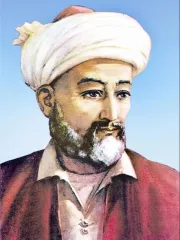
Lutfi was a poet of Timurid Khorasan in the late fourteenth and first half of the fifteenth century and one of the first major poets writing in Chagatai, the literary Turkic of Central Asia from which Uzbek descends. Most of what is known about him comes from Alisher Navoi's anthology of poets “Majalis al-nafais” and his “Nasaim al-mahabba”, and from the biographers Dawlatshah Samarqandi and Khwandamir. His year of birth is approximate: Uzbek scholarship accepts 1366, while the Turkologist János Eckmann gave 1367. Most sources place his birth in Herat or in the nearby village of Dehikanor. Because Shaykh Ahmad Tarazi's treatise on rhetoric “Funun al-balagha”, dedicated to Ulugh Beg, calls him “Lutfi of Shash”, some scholars have suggested that he came from Tashkent.
According to Navoi, the young Lutfi gained a sound knowledge of Arabic, Persian and the formal sciences before turning to Sufism. In 1411 he was with Timur's grandson Iskandar Mirza, the governor of Shiraz, and on his orders wrote his first long work, the verse romance “Gul and Navruz”. After Shahrukh moved against Iskandar, Lutfi returned to Herat, and around 1414 he became a disciple of the Herat Sufi master Shihab al-Din Khiyabani. Navoi stresses that he kept to the dervish way for the rest of his life, living simply and apart from the world.
Even so, Lutfi enjoyed the favour and patronage of many Timurids, among them Shahrukh, Baysunghur Mirza, Abu'l-Qasim Babur and Abu Sa'id, and his divan contains qasidas and ghazals addressed to some of them. Uzbek scholars write that at Shahrukh's suggestion he began a Turkic verse rendering of the Persian “Zafarnama” of Sharaf al-Din Ali Yazdi, the history of Timur's campaigns. Navoi notes that the poem was never fair-copied and so remained unknown; it has not survived.
In old age Lutfi was the acknowledged elder of the Herat poets. Navoi knew him personally and in the “Majalis al-nafais” called him “malik al-kalam”, the king of the word, saying he had no equal in Persian or Turkic verse but was famous above all for his Turkic divan. Navoi also recalls that on hearing his youthful ghazal beginning “Orazin yopqoch…” the old poet declared he would gladly give ten or twelve thousand of his own Persian and Turkic couplets for it. When he was past ninety, Lutfi dedicated to Abd al-Rahman Jami a Persian qasida with the refrain “sukhan”, and Jami turned an opening couplet of Lutfi's with the refrain “aftab” into a full ghazal of his own divan.
Lutfi's main legacy is his Turkic divan, known from more than twenty manuscripts; the earliest dated copy was made in Herat in 1508 and is now in the British Library. Besides qasidas it contains 361 ghazals, 113 tuyughs and 57 single couplets, and the Uzbek scholar E. Ahmadkhojaev counted more than 2,770 couplets in the surviving poems, most of them ghazals. His Persian poems were never gathered into a divan and survive only in anthologies. “Gul and Navruz” is a Turkic version of Jalal Tabib's Persian poem of the same name (1333) about the love of Prince Navruz and the beautiful Gul, won through many trials; some Uzbek scholars attribute it to Haydar Khorazmi rather than to Lutfi.
Lutfi was celebrated above all for his ghazals and tuyughs, Turkic quatrains whose rhymes rest on homonyms. His language is plain and musical, close to everyday speech; he drew freely on the images and proverbs of oral poetry, and some of his ghazals became folk songs. By the fifteenth century his poems were known in Transoxiana, Khorasan and Iraq. Navoi and Babur owed much to his school, later poets wrote mukhammas on his ghazals, and the Turkish scholar Mehmed Fuad Köprülü noted that Ottoman poets read him with pleasure as well.
Navoi records that Lutfi lived for ninety-nine years and died at his home in Dehikanor near Herat, where he was buried. The year of his death varies between sources: Uzbek reference works give 1465, Eckmann 1463, and Zeki Velidi Togan, relying on Abdullah Kabuli's “Tazkirat al-tawarikh”, 1492. Togan also published the first study devoted to the poet, in Kazan in 1914. Lutfi's divan has been printed in Tashkent, Istanbul and Ankara and his poems have been translated into Russian; streets in Tashkent and Samarkand bear his name.
Career
- Timurid EmpirePoet under the patronage of Timurid princes · 1411–…
Life path
- c. 1366Birth
Born, according to most sources, in Herat or in the nearby village of Dehikanor; Tashkent has also been suggested.
- YouthLearning and Sufism
Studied Arabic, Persian and the formal sciences, then took up the Sufi path.
- 1411In Shiraz with Iskandar Mirza
Wrote the verse romance “Gul and Navruz” on the orders of Timur's grandson Iskandar Mirza.
- c. 1414Return to Herat
Returned to Herat and became a disciple of the Sufi master Shihab al-Din Khiyabani.
- 1420s–1440sTimurid patronage
Addressed qasidas and ghazals to Shahrukh, Baysunghur and other Timurids; began a Turkic verse rendering of Yazdi's “Zafarnama”.
- 1450s–1460sNavoi and Jami
Praised a ghazal of the young Navoi; dedicated a qasida with the refrain “sukhan” to Jami.
- c. 1465Death
Died at his home in Dehikanor and was buried there; other sources give 1463 or 1492.
- 1508Earliest dated copy of the divan
Copied in Herat; now in the British Library.
- 1914First study
Zeki Velidi Togan's book on Lutfi and his divan was published in Kazan.
Works
- “Gul and Navruz” (“Gul va Navro'z”) (1411)Verse romance
A Turkic version of Jalal Tabib's Persian poem about the love of Prince Navruz and Gul, written for Iskandar Mirza; its authorship is disputed.
- “Divan”Collected poems
The Turkic divan: qasidas, 361 ghazals, 113 tuyughs and 57 single couplets, known from more than twenty manuscripts.
- “Zafarnama”Verse history (lost)
A Turkic verse rendering of Sharaf al-Din Ali Yazdi's Persian history of Timur; it remained in draft.
- “You Are My Beloved” (“Sensan sevarim”)Ghazal
A ghazal famous for its plain lines close to everyday speech; a 1987 Uzbek selection of his poems bears its title.
- Opening couplet with the refrain “aftab”Ghazal
A Persian matla of his late years; contemporaries wrote replies to it, and Jami completed it as a full ghazal.
- Qasida with the refrain “sukhan”Qasida
A Persian qasida dedicated to Abd al-Rahman Jami when Lutfi was past ninety.
- Persian poemsLyric poetry
Poems in the manner of Hafiz and Kamal Khujandi; never collected into a divan, some survive in anthologies.
Legacy
Lutfi is regarded as the foremost Turkic poet of Central Asia before Navoi. He brought the Turkic ghazal and tuyugh to a high artistic level and joined the cadences of oral poetry to the rules of classical verse. Navoi called him “malik al-kalam”; Navoi and Babur learned from his school, and later poets wrote mukhammas on his ghazals. His poems were read beyond Khorasan and Transoxiana, including by Ottoman poets, and some became folk songs.
Era: The Timurid age: Herat under Shahrukh, Baysunghur and Abu Sa'id (late 14th to mid-15th century)- “Gul and Navruz” was written (1411)
- The earliest dated copy of the divan was made in Herat (1508)
- Zeki Velidi Togan's study of Lutfi was published in Kazan (1914)
- İsmail Hikmet Ertaylan's edition of the divan appeared in Istanbul (1960)
- Russian translations of his lyrics and of “Gul and Navruz” were published in Moscow (1961)
- A critical edition of the divan was published in Ankara (1997)