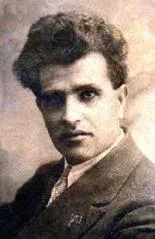
Mannon Uygur
One of the founders of the Uzbek professional theatre: director, actor and playwright, head of the Hamza drama theatre, People’s Artist of the Uzbek SSR, and the director of its “Hamlet”.
- Occupation:
- Director, Actor, Theatre director
- Born:
- October 11 1897(58 years old) ♎ — October 16, 1955
- Birthplace:
- Tashkent
Biography
Mannon Uygur (family name Majidov) was born in Tashkent on 11 October 1897. He began on the stage in 1916 as an amateur actor in the “Turon” troupe. In 1918 he staged his own comedy “The Turkestan Physician”, playing Eshimqul himself, and in 1919 he organised a professional Uzbek troupe and led it.
In 1922 he was sent to Bukhara to put theatre work in order there and taught local amateurs the basics of the stage. From 1924 to 1927 he studied in Moscow at the Uzbek drama studio attached to the Uzbek House of Education, of which he was one of the organisers; together with Cholpon he interpreted for the Russian teachers who came to it.
In 1927 twenty-four young Uzbek actors led by Uygur went back to Samarkand and formed the core of the State Uzbek Drama Troupe, later the Hamza Theatre (today the Uzbek National Academic Drama Theatre). He was its director and artistic head and never left it. In 1932 he was named People’s Artist of the Uzbek SSR.
Among the plays he staged are those by Hamza, Gʻulom Zafariy, Fitrat, Cholpon, Abdulla Qodiriy and the Azerbaijani dramatist Huseyn Javid. In 1935 he directed Shakespeare’s “Hamlet” in Cholpon’s translation, with Abror Hidoyatov in the title role; it ran for twenty-two days in a row. In 1947–1948 he staged the drama “Alisher Navoiy” by Uygun and I. Sultanov, for which he received a Stalin Prize, second class, in 1949.
Uygur paid particular attention to stage speech, trained several generations of actors and taught at the Tashkent Theatre and Art Institute. His last production was “Muqimiy” at the Muqimiy theatre in 1955. Mannon Uygur died in Tashkent on 16 October 1955 and is buried at the Chigatay cemetery.
The Surkhandarya Regional Musical Drama Theatre (since 1978) and the Tashkent Art Institute (since 1991) carry his name, as do a street and a neighbourhood in Tashkent. In 2001 he was posthumously given the Order «Buyuk xizmatlari uchun» (For Outstanding Merit).
Education
- Uzbek State Drama Studio in MoscowOther · 1924–1927
Career
- Uzbek National Academic Drama TheatreDirector and artistic head · Tashkent · 1927–1955Everyone who held this post →
- Ostrovsky Tashkent Theatre and Art InstituteTeacher · Tashkent
Awards
 Order «For Outstanding Merit»2001, posthumously · Uzbekistan
 People's Artist of the Uzbek SSR1932 · Uzbek SSR
 Order of Lenin1951 · USSR
 Order of the Red Banner of Labour1936 · USSR
 Order of the Badge of Honour1937 · USSR
- Order of the Badge of Honour1945 · USSR
 Stalin Prize1949 · USSR
Life path
- 1897Birth
Born on 11 October in Tashkent.
- 1916The “Turon” troupe
Began his stage career as an amateur actor in the Tashkent troupe “Turon”.
- 1918–1919First play and his own troupe
Wrote and staged the comedy “The Turkestan Physician”; in 1919 he organised a professional Uzbek troupe and headed it.
- 1922Bukhara
Sent to Bukhara to organise theatre work and taught amateurs the basics of the stage.
- 1924–1927Uzbek drama studio in Moscow
Took part, with Cholpon, in setting up the Uzbek drama studio in Moscow and studied there.
- 1927Return to Samarkand
With twenty-four young actors formed the core of the State Uzbek Drama Troupe, later the Hamza Theatre.
- 1932People’s Artist
Given the title People’s Artist of the Uzbek SSR.
- 1935“Hamlet”
Directed Shakespeare’s “Hamlet” in Cholpon’s translation, with Abror Hidoyatov in the title role.
- 1947–1949“Alisher Navoiy”
Staged the drama by Uygun and I. Sultanov; received a Stalin Prize, second class, in 1949.
- 1951Order of Lenin
Awarded the Order of Lenin.
- 1955Last production and death
Staged “Muqimiy” at the Muqimiy theatre; died in Tashkent on 16 October.
Works
- “The Turkestan Physician” (1918)Play (comedy)
A comedy written by Uygur himself, in which he also played Eshimqul.
- “Fanniy uy”Play
One of the author’s plays that reached the stage.
- “Twelve Hours of Power”Play
A play written and staged by Uygur.
- Translations of Azerbaijani playsTranslations
Translated into Uzbek and staged works of Azerbaijani dramatists, “Iblis” among them.
- “Halima” (1920)Production
Gʻulom Zafariy’s first Uzbek musical drama.
- “Hamlet” (1935)Production
Shakespeare’s tragedy in Cholpon’s translation; a milestone of the Hamza Theatre.
- “Alisher Navoiy” (1947)Production
The drama by Uygun and I. Sultanov; it won a Stalin Prize in 1949.
- “Muqimiy”Production
Sulaymon Abdulla’s play at the Muqimiy theatre; his last production.