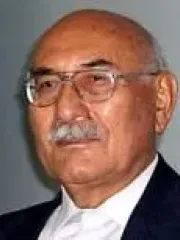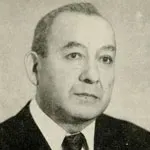
Rahmat Fayziy
Uzbek writer and screenwriter, author of the film “You Are Not an Orphan” and the novel “His Majesty Man” about the Shamakhmudov family, who took in orphans during the war; People’s Writer of the Uzbek SSR (1978).
- Occupation:
- Writer, Prose writer, Screenwriter
- Real name:
- Rakhmat Faiziev
- Born:
- September 10 1918(70 years old) ♍ — November 18, 1988
- Birthplace:
- Tashkent
Biography
Rahmat Fayziy (born Rahmat Fayziyevich Fayziyev) was born on 10 September 1918 into a craftsman’s family in the Beshyogʻoch quarter of Tashkent. After school he trained at the factory apprenticeship school of the Tashkent railway and then studied at an electromechanical technical college.
He entered journalism in 1937 at the children’s newspaper “Lenin uchquni”, which also printed his first poems, sketches and essays. A year later he moved to “Yosh leninchi”; in 1943 he worked on “Frunzevets”, the newspaper of the Central Asian Military District, and in 1944–1951 on “Qizil Oʻzbekiston”. From 1951 to 1954 he headed a department of the journal “Sharq yulduzi”, and from 1957 to 1959 he edited the newspaper “Oʻzbekiston madaniyati”.
His first books of prose appeared after the war. In 1951 he published the collection “The Wedding Gift” and the novella “Spring Came to the Steppe”, about young people reclaiming the Mirzachoʻl steppe; he later reworked it and brought it out as a novel in 1972. Further collections followed: “Novellas and Stories” (1954), “The Silk Curtain” (1958) and “A Tale of Our People” (1962). Stories such as “Free Ice Cream”, “My Grandfather”, “The Pocket” and “Nafisa” were written for children.
From 1962 to 1965 Fayziy was chief editor of the script board of the Uzbekfilm studio. The director Shukhrat Abbasov filmed his screenplay “You Are Not an Orphan” in 1962. It tells of the Tashkent blacksmith Shaahmed Shamakhmudov and his wife Bahri Akramova, who during the Second World War took orphaned children of many nationalities into their home. The film won a prize at the international film festival in Frankfurt am Main in 1963, and at the 1st All-Union Film Festival in Leningrad in 1964 Fayziy’s script was named the best screenplay. In 1964 Ali Khamraev directed the musical comedy “Yor-yor” (“Where Are You, My Zulfiya?”) from his script.
Fayziy returned to the Shamakhmudovs in a full-length novel: “His Majesty Man” (“Hazrati inson”), written in 1969, follows the family’s story through the blacksmith Mahkam-ota and his wife Mehriniso-opa. The novel received the prize of the All-Union Central Council of Trade Unions and the Union of Soviet Writers and was published in German, Slovak, Arabic, Vietnamese and Kazakh. In 1975 his collection of essays and stories “A Bow” came out. In the 1960s and 1970s he wrote pieces on women’s lives, the family and bringing up children for the women’s magazines “Oʻzbekiston xotin-qizlari” and “Saodat”, told by the wise old woman Rostonbuvi, a character modelled on his own grandmother.
In 1965–1974 Fayziy was deputy chairman of the board of the Writers’ Union of Uzbekistan, and from 1972 a member of the board of the Union of Soviet Writers. From 1974 he headed the Uzbek branch of the All-Union Copyright Agency (VAAP). He was named an Honoured Art Worker of the Uzbek SSR in 1968 and People’s Writer of the Uzbek SSR in 1978, and in 1977 an Honoured Worker of Culture of the Polish People’s Republic. In September 1978 he was awarded the Order of the Red Banner of Labour.
Rahmat Fayziy died in Tashkent on 18 November 1988. A street in Tashkent bears his name. On 28 October 2025 the Kamoliddin Behzod Museum of Oriental Miniature Art opened “His Majesty Man”, an exhibition on his life and work showing his manuscripts, family photographs and foreign editions of the novel.
Career
- Qizil O'zbekiston newspaperStaff member · Tashkent · 1944–1951
- «Sharq yulduzi» magazineDepartment head · Tashkent · 1951–1954
- Writers' Union of UzbekistanDeputy chairman of the board · Tashkent · 1965–1974
- Uzbek Republican Copyright AgencyHead (then the Uzbek branch of the All-Union Copyright Agency) · Tashkent · 1974–…Everyone who held this post →
- Union of Soviet WritersBoard member · 1972–…
- Yosh Leninchi newspaperStaff member · Tashkent · 1938–…
- O'zbekiston madaniyati newspaperEditor · Tashkent · 1957–1959
- Lenin uchquni newspaperStaff member · Tashkent · 1937–1938
- Uzbekfilm studioChief editor of the script board · Tashkent · 1962–1965Everyone who held this post →
Awards
- People's Writer of the Uzbek SSR1978 · Uzbek SSR
- Honoured Art Worker of the Uzbek SSR1968 · Uzbek SSR
 Order of the Red Banner of Labour1978 · USSR
Life path
- 1918Birth
Born on 10 September into a craftsman’s family in the Beshyogʻoch quarter of Tashkent.
- 1937–1943Newspapers
Worked on “Lenin uchquni”, then “Yosh leninchi” and “Frunzevets”; published his first poems and essays.
- 1944–1951“Qizil Oʻzbekiston”
Worked on the republic’s newspaper.
- 1951First books
The collection “The Wedding Gift” and the novella “Spring Came to the Steppe” appeared.
- 1951–1954“Sharq yulduzi”
Department head at the journal.
- 1957–1959“Oʻzbekiston madaniyati”
Editor of the newspaper.
- 1962–1965Uzbekfilm
Chief editor of the script board; “You Are Not an Orphan” (1962) and “Yor-yor” (1964) were filmed from his scripts, and in 1964 he won the best screenplay prize of the 1st All-Union Film Festival.
- 1965–1974Writers’ Union
Deputy chairman of the board of the Writers’ Union of Uzbekistan; named an Honoured Art Worker of the Uzbek SSR in 1968.
- 1969“His Majesty Man”
Novel about the Shamakhmudov family; prize of the All-Union Central Council of Trade Unions and the Union of Soviet Writers.
- 1974VAAP
Head of the Uzbek branch of the All-Union Copyright Agency.
- 1978People’s Writer
Named People’s Writer of the Uzbek SSR; Order of the Red Banner of Labour.
- 1988Death
Died in Tashkent on 18 November.
Books
- “The Wedding Gift”1951 · Essays and stories
One of his first post-war books.
- “Spring Came to the Steppe”1951 · Novella, later a novel
About young people reclaiming the Mirzachoʻl steppe; the reworked version came out as a novel in 1972.
- “Novellas and Stories”1954 · Novellas and stories
A collection of novellas and stories.
- “The Silk Curtain”1958 · Stories
A collection of stories and essays.
- “A Tale of Our People”1962 · Collection
A book of pieces in several genres, including stories for children and humorous stories.
- “His Majesty Man”1969 · Novel
About the blacksmith Shamakhmudov’s family, who took in orphans during the war; prize of the All-Union Central Council of Trade Unions and the Union of Soviet Writers, translated into several languages.
- “A Bow”1975 · Essays and stories
A collection of essays and stories about contemporary life.
Filmography
| Title | Year |
|---|---|
| “You Are Not an Orphan” | 1962 |
| “Yor-yor” (“Where Are You, My Zulfiya?”) | 1964 |