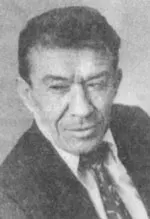
To'ra Sulaymon
Uzbek poet and People's Poet of Uzbekistan (1999), author of the epic poem “Qorasoch” and of verse in the manner of the bakhshi storytellers; many of his poems, including “Gul bir yon, chaman bir yon”, became songs.
- Occupation:
- Writer, Poet
- Born:
- February 15 1934 ♒ — 2005
- Birthplace:
- Baxmal District, Jizzakh
Biography
To'ra Sulaymon (To'ra Sulaymonov in official documents) was born, according to the records, on 15 February 1934 in the village of Yoyilma in Baxmal District of the Jizzax Region. In his autobiography the poet wrote that his year of birth was uncertain: his mother said he was born around 1932, when the family was dispossessed as kulaks and his father was exiled. In 1936 the family was resettled with other villagers in Mirzacho'l, the Hungry Steppe, and from then on his life was bound up with the Syr Darya region. His love of literature started early: he recalled the tales he heard from his parents, who knew the popular chapbooks well, and above all the tale of Boldirboy.
After leaving secondary school in 1952 he taught in schools. In 1958–1964 he studied by correspondence at Tashkent State University. He then worked for the district newspaper “Guliston” and later for the regional newspaper “Sirdaryo haqiqati”. In 1972–1977 he was executive secretary of the Syrdarya regional branch of the Writers' Union of Uzbekistan, and later worked there as a literary consultant.
His poems appeared in print from 1958, and his first collection, “Istar ko'ngil” (“The Heart's Desire”), came out in 1962. The epic poem “Qorasoch”, published in the mid-1960s, was warmly received by well-known writers and critics. More than twenty books followed, among them “Jahongashta” (“The Wanderer”, 1970), “Hamqishloqlarim” (“My Fellow Villagers”), “Intizor” (“Longing”), “Songs of the Syr Darya” (1974), “Iltijo” (“The Plea”), “To'yboshi” (“The Wedding Steward”, 1977), “I Remember You” and “Qorako'zginam” (“My Dark-Eyed One”). His collection of satirical verse “Alhazar” won the prize of the humour magazine “Mushtum” in 1979.
Alongside lyric poems, qasidas and fakhriyas (verses of self-praise), he wrote much in the spirit of folk poetry, as if life were being told by an old bakhshi, a traditional epic singer; some of these poems are imitations of or nazira replies to known models. The cycle of poems and epics “Ergash, Son of Jumanbulbul, Roams the Land”, built around the figure of the famous storyteller, is the best-known example. Like a bakhshi, To'ra Sulaymon performed his own verse to instrumental accompaniment, and many of his poems became songs. The singer Abdurauf Olimov, whom he met in Guliston in 1985, set his poem “Gul bir yon, chaman bir yon” (“A Flower Here, a Garden There”) to music; recorded for radio in 1986, the song spread widely across Uzbekistan, Tajikistan and Kyrgyzstan.
In the 1980s and 1990s he published “Gulshan” (1988), “Sarvinoz” (1990), “The Boulder” (1994), “Jahonnoma” and “Gul bir yon, chaman bir yon” (1996) and “Yovqochdi” (1998), followed by the collection “Sayhon” in 2003. In 1999 he was named People's Poet of Uzbekistan. His essays on pressing social questions were collected in “The Country's Point of Support” (2004). In his last years he worked on a long epic poem, “Al-qasosu min al-haq”.
To'ra Sulaymon died in Guliston in 2005 and was buried there. In 2022 a government decision provided for a house museum in his home in Mirzaobod District of the Syrdarya Region. It opened at the end of 2024 for his 90th anniversary, with a statue by the sculptor Azamat Hotamov in the courtyard, and a poetry festival is held there every spring. An amphitheatre in central Guliston, the school in the village where he lived and the street on which the museum stands bear his name. On 23 August 2025 he was posthumously awarded the Order “Fidokorona xizmatlari uchun” (For Selfless Service).
Education
- National University of UzbekistanUniversity · Tashkent · 1958–1964 · Correspondence course
Career
- Writers' Union of UzbekistanExecutive secretary of the Syrdarya regional branch · Tashkent · 1972–1977
- Guliston district newspaperStaff member · Syrdarya
- Sirdaryo haqiqati newspaperStaff member · Gulistan
Awards
 People's Poet of Uzbekistan1999 · Uzbekistan
 Order «For Selfless Service»2025, posthumously · Uzbekistan
Life path
- 1936Resettled in Mirzacho'l
The family was moved with fellow villagers from Baxmal to the Hungry Steppe.
- 1952Teaching
Finished secondary school and taught in schools.
- 1958–1964Tashkent State University
Studied by correspondence; began to publish poems in these years.
- 1962“Istar ko'ngil”
His first collection of poems came out.
- 1960sRegional press
Worked for the district newspaper “Guliston”, then for the regional newspaper “Sirdaryo haqiqati”.
- 1972–1977Writers' Union
Executive secretary of the Syrdarya regional branch, later a literary consultant.
- 1979“Mushtum” prize
Awarded for the collection of satirical verse “Alhazar”.
- 1986“Gul bir yon, chaman bir yon”
Abdurauf Olimov's song to his poem was recorded for radio.
- 1999People's Poet of Uzbekistan
Received the honorary title.
- 2004“The Country's Point of Support”
A collection of his essays was published.
- 2005Death
Died in Guliston and was buried there.
- 2025Order “Fidokorona xizmatlari uchun”
Awarded posthumously.
Books
- “The Heart's Desire” (“Istar ko'ngil”)1962 · Poetry collection
His first book.
- “Qorasoch”1965 · Epic poem
Warmly received by the literary community.
- “The Wanderer” (“Jahongashta”)1970 · Epic poem
- “Songs of the Syr Darya”1974 · Poetry collection
- “Alhazar”1976 · Satirical verse
Won the prize of the magazine “Mushtum” in 1979.
- “I Remember You”1980 · Poetry collection
- “Ergash, Son of Jumanbulbul, Roams the Land”· Cycle of poems and epics
Verse in the bakhshi manner, built around the figure of the famous storyteller.
- “The Boulder” (“Xarsang”)1994 · Poetry collection
- “Jahonnoma”1996 · Poetry collection
- “A Flower Here, a Garden There” (“Gul bir yon, chaman bir yon”)1996 · Poetry collection
Named after the poem that became Abdurauf Olimov's well-known song.
- “Sayhon”2003 · Poetry collection
- “The Country's Point of Support”2004 · Essays
Articles on questions of social life.
Legacy
To'ra Sulaymon is valued as one of the poets who brought folk tradition and the bakhshi art into modern Uzbek poetry; the literary scholar Ibrohim Haqqul called him a poet with a bakhshi's nature. Many of his poems became songs, above all “Gul bir yon, chaman bir yon”, sung by Abdurauf Olimov. The Syrdarya Region has a house museum devoted to him, and an amphitheatre, a school and a street bear his name.
Era: Uzbek poetry of the second half of the 20th century- Abdurauf Olimov's song “Gul bir yon, chaman bir yon” to his poem recorded for radio (1986)
- Named People's Poet of Uzbekistan (1999)
- Government decision to create a house museum of the poet (2022)
- House museum and statue opened in Mirzaobod District for his 90th anniversary (2024)
- Posthumously awarded the Order “Fidokorona xizmatlari uchun” (2025)