Jizzakh Region
Notable people born here (56 people)
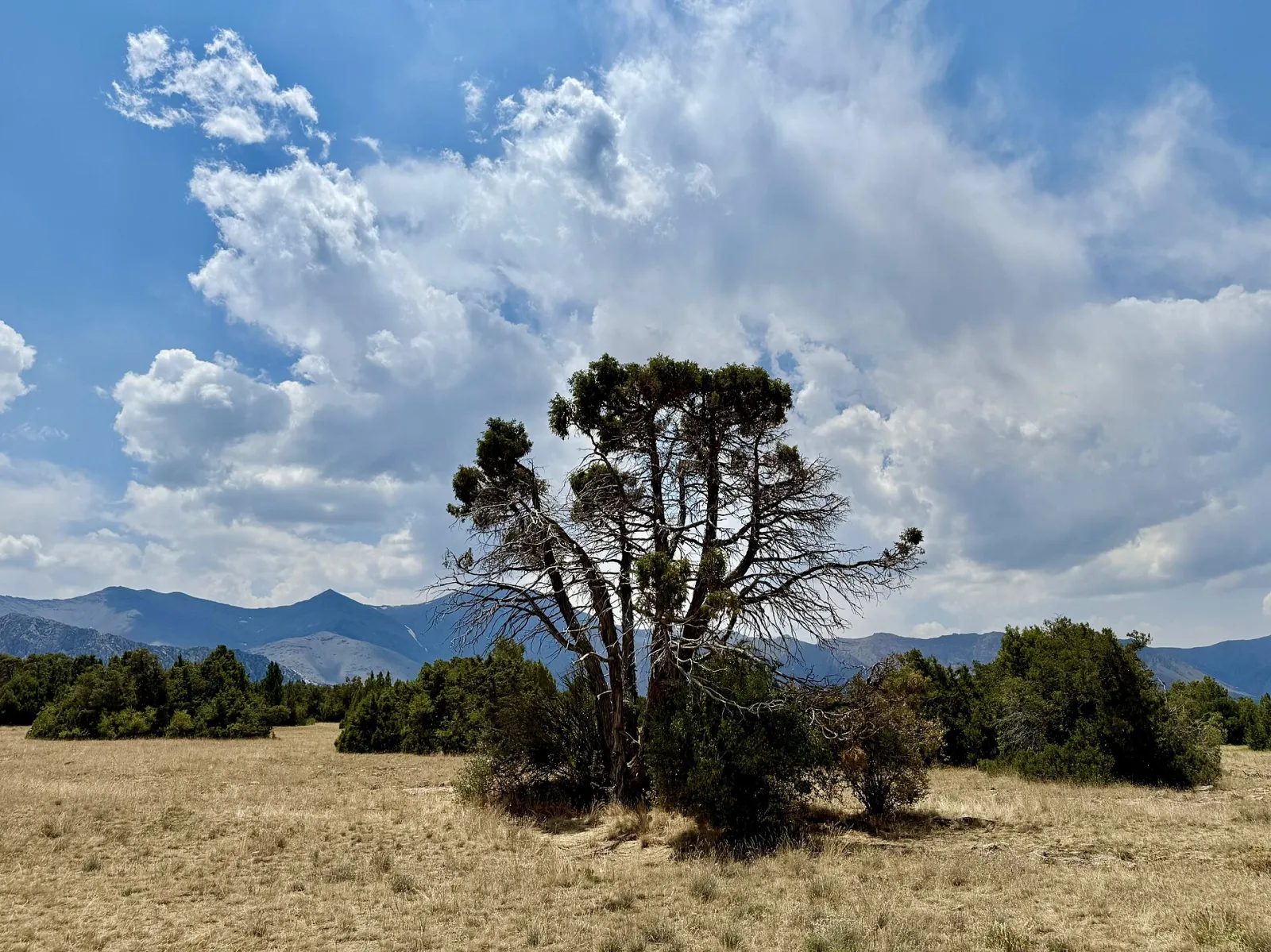
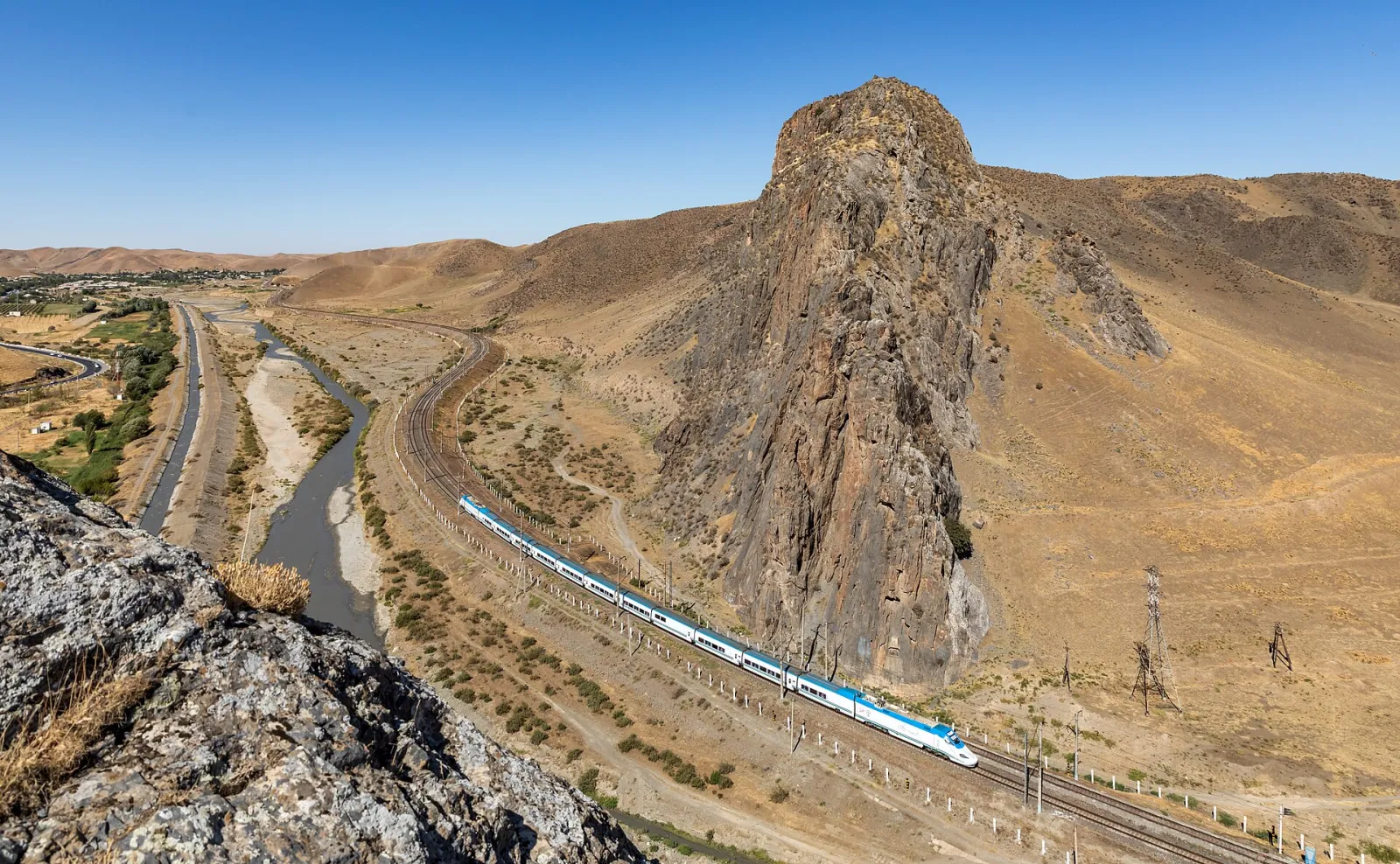
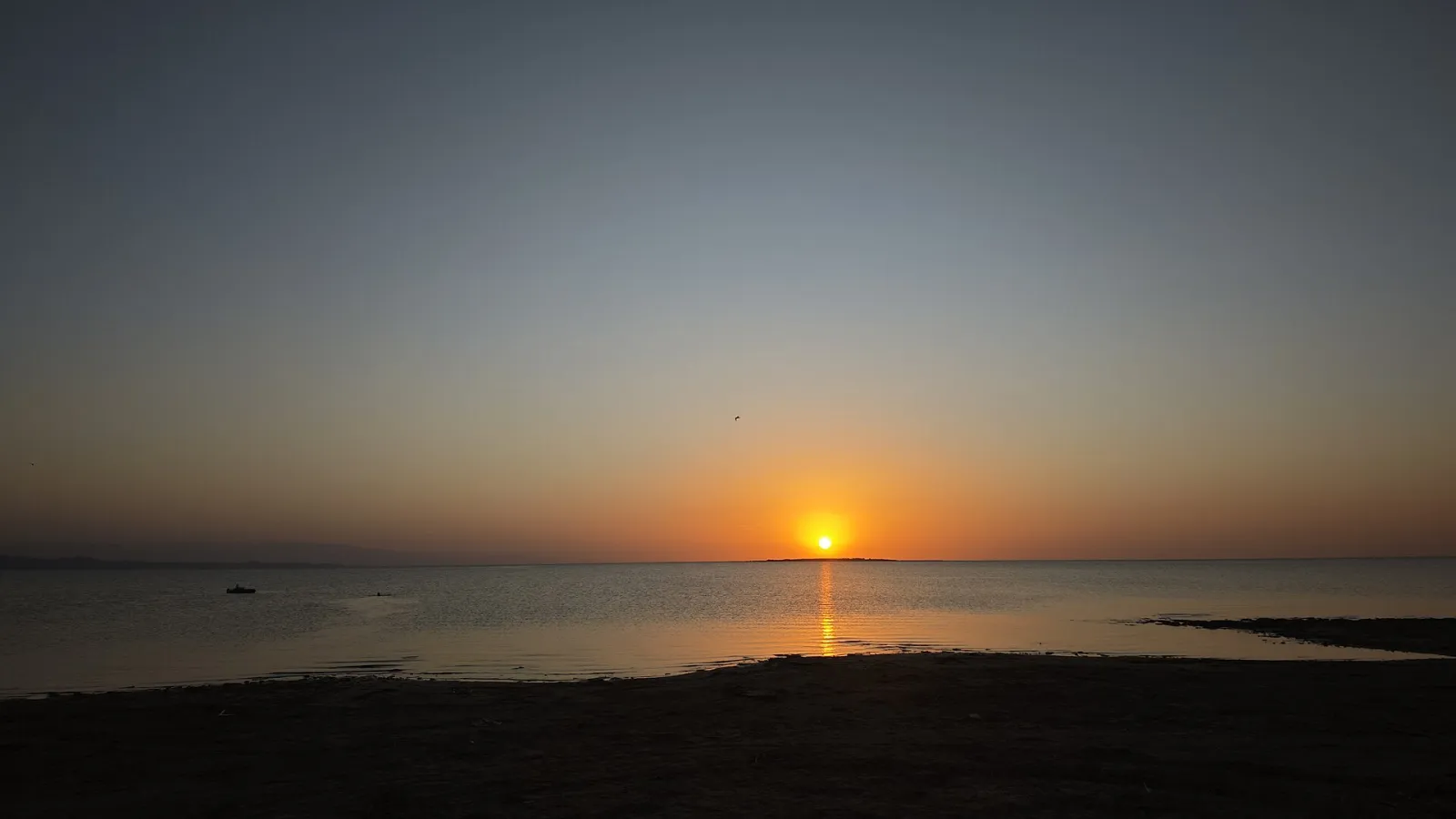
Jizzakh Region lies in the centre of Uzbekistan, between the Syr Darya and the Zarafshan. It combines the Turkestan range, the plains of the Hungry Steppe and the Aydar–Arnasoy lakes; its centre is Jizzakh.
- Population
- 1,566,900 (2026)
- Area
- 21,200 km²
- Density
- 74 per km²
- Administrative centre
- Jizzakh
- Founded
- 1973
Also well known



Cities and districts (7)







About the place — Jizzakh Region
History
The region has long stood at the crossroads of Sogdiana, Ustrushana and Chach. Jizzakh (Sogdian Dizak, "small fortress") and its surroundings lay on the branch of the Silk Road leading from the Fergana Valley and the Tashkent oasis to Samarkand.
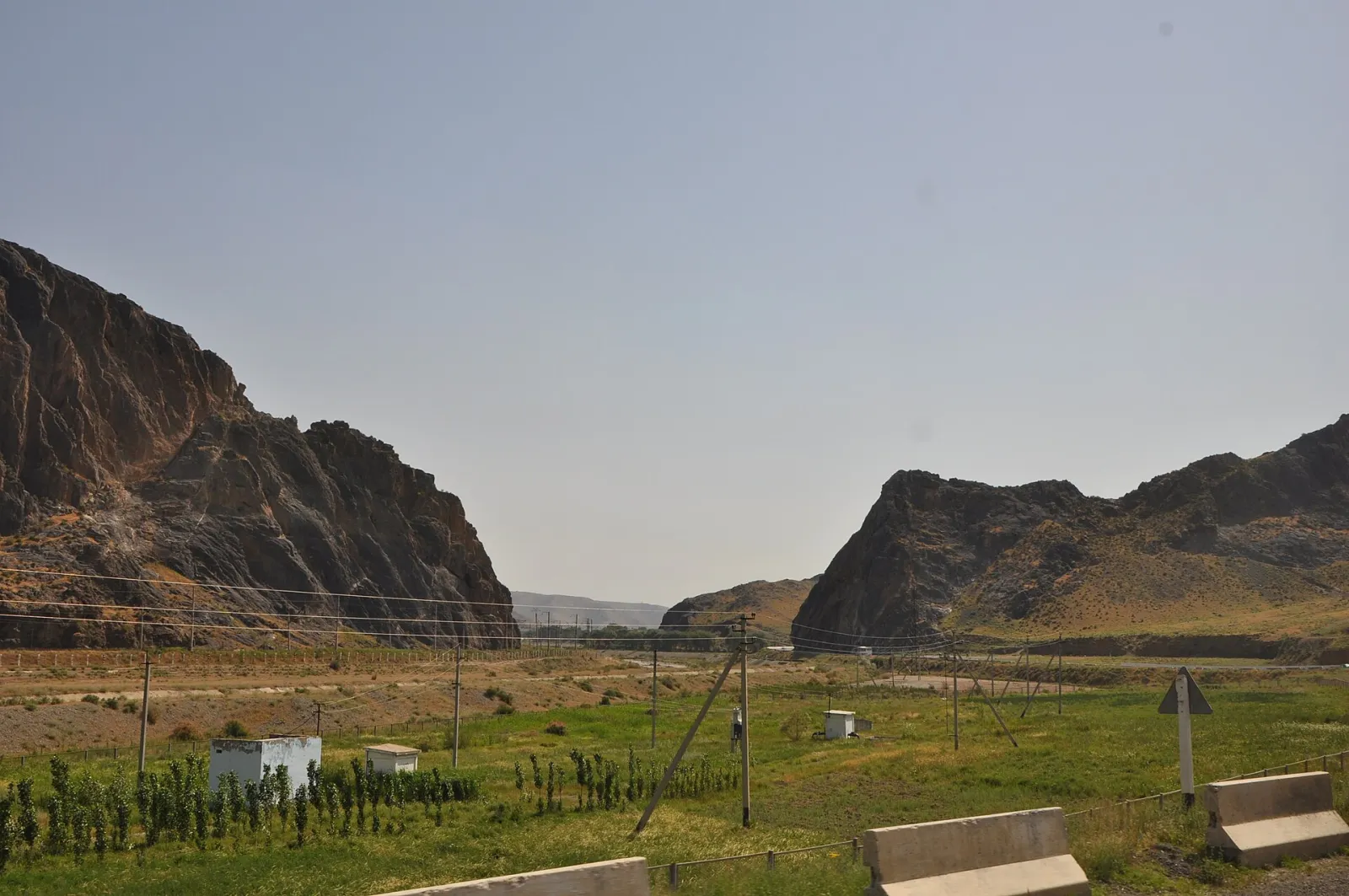
The Arabs conquered the area in the 8th century; from the 10th century it belonged to the Samanids, then to the Karakhanids and Khwarazmshahs. The Mongol invasion of 1220 devastated the oasis. It recovered under the Timurids; in the Ilonoʻtdi gorge near Jizzakh — the so-called Timur's Gate — rock inscriptions from the times of Ulugh Beg and Abdullah Khan II survive.
From the 16th to the 19th century the territory belonged to the Bukhara Khanate and later the Emirate, with Jizzakh the seat of a beglik. In 1866 Russian troops besieged and took the Jizzakh fortress, and the area became part of the Turkestan Governorate-General. In 1916 Jizzakh was one of the main centres of the uprising against conscription for labour service.
The reclamation of the Hungry Steppe in the mid-20th century brought new towns and farms. Jizzakh Region was formed in December 1973 from parts of Sirdaryo and Samarkand regions. It was merged into Sirdaryo Region in 1988 and restored on 16 February 1990.
Geography
The region occupies the centre of the country. It borders Kazakhstan to the north, Sirdaryo Region to the east, Tajikistan to the south-east, and Samarkand and Navoiy regions to the west.
The terrain is varied: the south is taken up by spurs of the Turkestan range (the Morguzar mountains), the west by the eastern end of the Nurota range, and the north and north-east by plains on the edges of the Hungry Steppe and the Kyzylkum. In the north-west lies a large system of lakes — Aydarkoʻl, Arnasoy and Tuzkon.
The climate is sharply continental: January averages fall to −4 °C, while July stays around +28 °C. The southern foothills receive 400–500 mm of precipitation a year, the northern deserts and steppes 250–300 mm. The largest rivers are the Sangzor and the Zominsuv, dammed by the Jizzakh, Zomin and Qorovultepa reservoirs.
Deposits include gold, silver, tungsten, lead, zinc, iron, marble and wollastonite. The region has the Zomin National Park and the Zomin and Nurota nature reserves; juniper, almond and walnut grow on the mountain slopes.
Sights
- Timur's Gate — the Ilonoʻtdi gorge near Jizzakh, whose cliffs bear inscriptions from the times of Ulugh Beg and Abdullah Khan II.
- Zomin National Park — juniper forests, mountain pastures and sanatoriums on the slopes of the Turkestan range.
- Aydar–Arnasoy lake system — large lakes amid the desert, used for fishing, bird nesting and recreation.
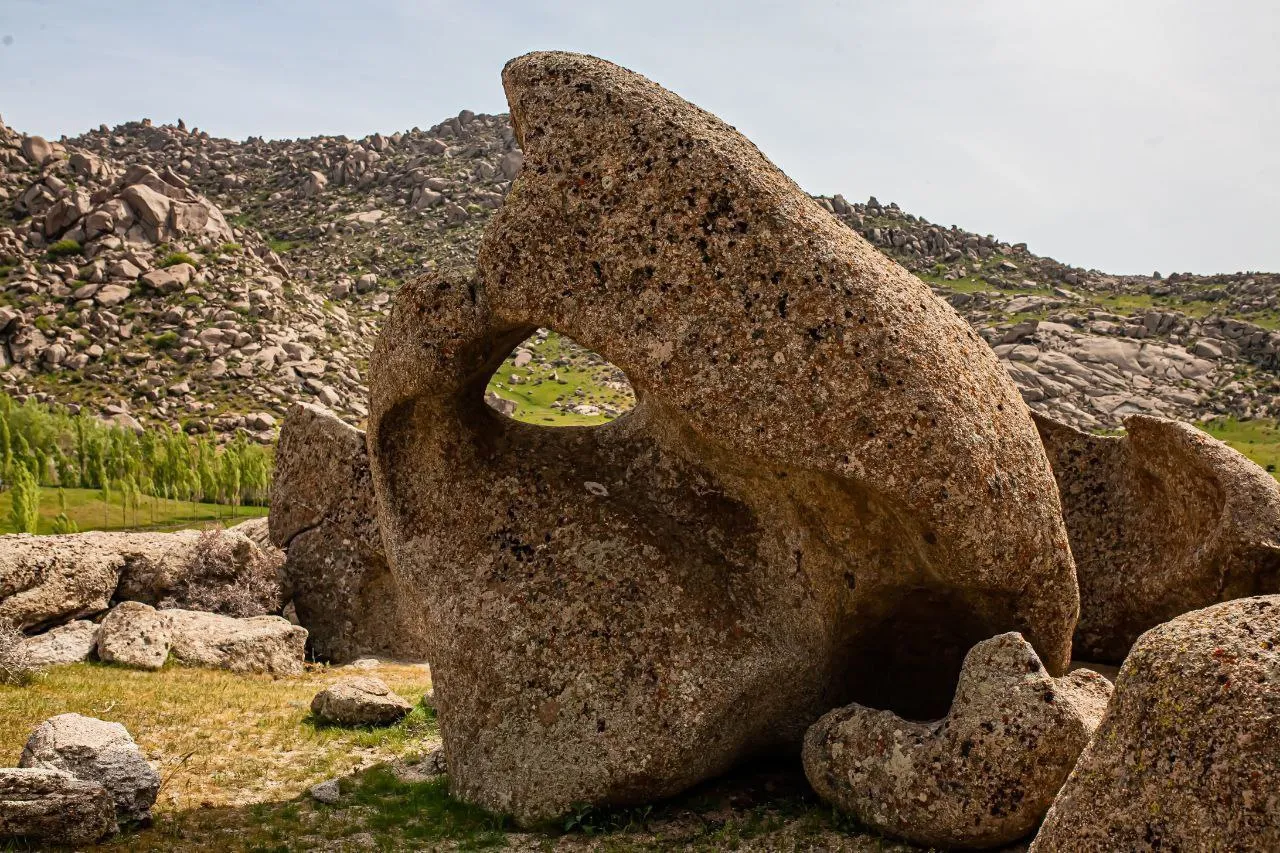
- Qoʻytosh rocks — strangely shaped granite outcrops in Gʻallaorol District.
- Baxmal mountains — mountain villages and streams on the spurs of the Turkestan range.
- Nurota Nature Reserve — a reserve in the Nurota mountains, home to the Severtsov wild sheep.
- Hamid Olimjon and Zulfiya Museum — a memorial museum to the poet couple in Jizzakh.
Borders: Navoi · Samarkand · Syrdarya
Sources: Wikidata · Wikipedia (uz) · Wikipedia (ru) · Wikipedia (en) · stat.uz · jizzaxstat.uz · gov.uz