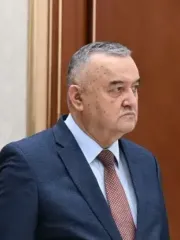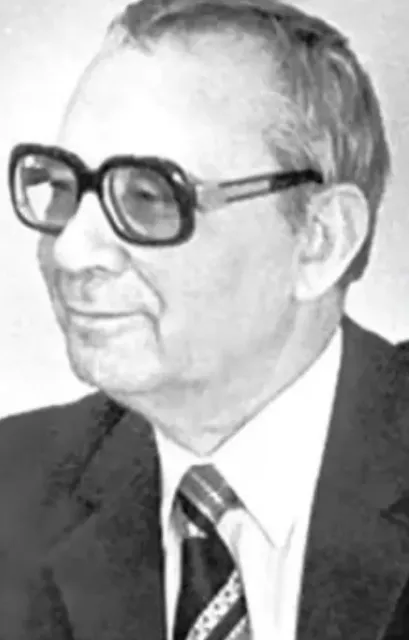
Askad Mukhtar
Uzbek novelist, poet and translator, author of the novels “Sisters”, “Time in My Destiny” and “Chinor”; People’s Writer of the Uzbek SSR (1980) and editor-in-chief of the magazines “Sharq yulduzi” and “Guliston”.
- Occupation:
- Writer, Poet, Prose writer
- Real name:
- Askad Mukhtarov
- Born:
- December 23 1920(76 years old) ♑ — April 17, 1997
- Birthplace:
- Fergana
Biography
Askad Mukhtar (born Mukhtarov) was born in Fergana on 23 December 1920, the son of a railway worker. He lost his parents at the age of eleven and grew up in a children’s home. After leaving school in 1938 he entered the Faculty of Philology of the Central Asian State University in Tashkent and graduated in 1942. His poems appeared in print from 1938; his first narrative poem, “Our Generations” (1939), tells of the past life of the working people of Bukhara.
In 1942–1945 he headed the Department of Uzbek Literature at the Andijan Pedagogical Institute. He then returned to Tashkent and in 1945–1948 worked as executive secretary and department head at the newspapers “Yosh leninchi” and “Qizil O'zbekiston”. His narrative poem “The Steelmaker” (1947) brought the life of industrial workers into Uzbek literature, a theme he continued in the poetry collection “My Fellow Townsmen” (1949), the book of sketches and stories “City of Steel” (1950) and the novella “Where the Rivers Meet” (1950). In the same years he wrote the children’s plays “The Peak of Courage” (1948) and “Kindness for Kindness” (1949).
His first major prose work, the novel “Sisters” (1954), deals with the rise of an industrial working class in the republic and the spiritual awakening of Uzbek women. “Birth” (1961) follows young people working on a great construction site, and “Time in My Destiny” (1964) is a confessional novel about a man of his time. “A Karakalpak Tale” (1958) and the narrative poem “Touching Immortality” (1969) turn to the years of the revolution.
The novel “Chinor” (1969) traces the path of the Uzbek people through the twentieth century in the fate of one family; it came out in Russian in 1970 and in 1973 won its author the Hamza State Prize of the Uzbek SSR. Later came the novellas “Bo'ronlarda bordek halovat” (1976), “The Back Streets of Bukhara” (1980) and “The Silver Thread”, and the novel “Amu” about events in Afghanistan. As a poet he published the collections “99 Miniatures” (1962), “The Caravan Bell” (1964), “Poems” (1966) and “A Mysterious Call” (1984), much of them reflections on human life and nature.
He was also active in literary organisations: in 1957–1969 and 1985–1988 he was secretary of the board of the Writers’ Union of Uzbekistan, and in 1965 deputy chairman of the board. He was editor-in-chief of the magazines “Sharq yulduzi” (1960–1965) and “Guliston” (1969–1980) and of the weekly “O'zbekiston adabiyoti va san'ati” (1981–1982).
He translated Sophocles, Shakespeare, Tagore, Pushkin, Lermontov, Shevchenko, Blok, Gorky and Mayakovsky into Uzbek and wrote literary criticism. His own books have been translated into Russian and a number of other languages.
In 1980 he was named a People’s Writer of the Uzbek SSR and awarded the Order of Friendship of Peoples; earlier he had twice received the Order of the Red Banner of Labour, and in 1995 he was awarded the Order of Friendship (Do'stlik). His last book, “When Sleep Won’t Come” (1997), gathers his reflections on life, spirituality and creative work. Askad Mukhtar died in Tashkent on 17 April 1997. In 2003 he was posthumously awarded the Order “For Outstanding Services” (Buyuk xizmatlari uchun).
Education
- National University of UzbekistanUniversity · Tashkent · 1938–1942 · Faculty of Philology (then the Central Asian State University)
Career
- Qizil O'zbekiston newspaperExecutive secretary, department head · Tashkent · 1945–1948
- Writers' Union of UzbekistanSecretary of the board (1957–1969, 1985–1988), deputy chairman (1965) · Tashkent · 1957–1988
- Yosh Leninchi newspaperExecutive secretary, department head · Tashkent · 1945–1948
- Andijan Pedagogical InstituteHead of the Department of Uzbek Literature · Andijan · 1942–1945
- O'zbekiston adabiyoti va san'ati newspaperEditor-in-chief · Tashkent · 1981–1982Everyone who held this post →
Awards
 Order «For Outstanding Merit»2003, posthumously · Uzbekistan
 Order «Do'stlik» (Friendship)1995 · Uzbekistan
- People's Writer of the Uzbek SSR1980 · Uzbek SSR
 Hamza State Prize of the Uzbek SSR1973 · Uzbek SSR
 Order of the Red Banner of Labour1959 · USSR
 Order of Friendship of Peoples1980 · USSR
 Medal «For Labour Distinction»1951 · USSR
Life path
- 1920–1938Childhood
Born in Fergana to a railway worker’s family; orphaned at eleven and brought up in a children’s home.
- 1938–1942University
Studied at the Faculty of Philology of the Central Asian State University; his poems appeared in print from 1938.
- 1942–1945Andijan
Head of the Department of Uzbek Literature at the Andijan Pedagogical Institute.
- 1945–1948Newspapers
Executive secretary and department head at the newspapers “Yosh leninchi” and “Qizil O'zbekiston”.
- 1947“The Steelmaker”
A narrative poem about industrial workers.
- 1954“Sisters”
His first novel was published.
- 1957–1969Writers’ Union
Secretary of the board of the Writers’ Union of Uzbekistan; deputy chairman in 1965.
- 1960–1965“Sharq yulduzi”
Editor-in-chief of the magazine.
- 1969–1980“Guliston” and “Chinor”
Editor-in-chief of the magazine “Guliston”; his novel “Chinor” (1969) won the Hamza State Prize of the Uzbek SSR in 1973.
- 1980People’s Writer
Named a People’s Writer of the Uzbek SSR; Order of Friendship of Peoples.
- 1981–1988Weekly and Union
Editor-in-chief of the weekly “O'zbekiston adabiyoti va san'ati” (1981–1982); again secretary of the Writers’ Union board (1985–1988).
- 1997Last book and death
Published “When Sleep Won’t Come”; died in Tashkent on 17 April. Posthumously awarded the Order “For Outstanding Services” in 2003.
Works
- “Our Generations” (1939)Narrative poem
His first narrative poem, about the past life of the working people of Bukhara.
- “The Steelmaker” (1947)Narrative poem
The work that brought the life of industrial workers into Uzbek literature.
- “My Fellow Townsmen” (1949)Poetry collection
Poems about the people of a working town.
- “Sisters” (1954)Novel
On the rise of a working class and the spiritual awakening of Uzbek women; Russian translation 1957.
- “A Karakalpak Tale” (1958)Novella
On the making of a heroic character in the years of the revolution.
- “Birth” (1961)Novel
About young people working on a great construction site; Russian translation 1962.
- “99 Miniatures” (1962)Poetry collection
A book of short philosophical poems.
- “Time in My Destiny” (1964)Novel
A confessional novel about a man of his time; Russian translation 1967.
- “Chinor” (1969)Novel
The Uzbek people’s path through the twentieth century seen through one family; Hamza State Prize of the Uzbek SSR (1973).
- “Touching Immortality” (1969)Narrative poem
About a hero of the revolutionary years; Russian translation 1971.
- “Amu”Novel
A novel about events in Afghanistan, written in the 1980s.
- “When Sleep Won’t Come” (1997)Book of reflections
His last book, on life, spirituality, culture and creative work.