Biography
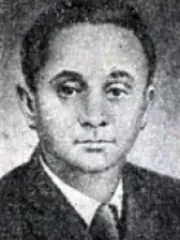
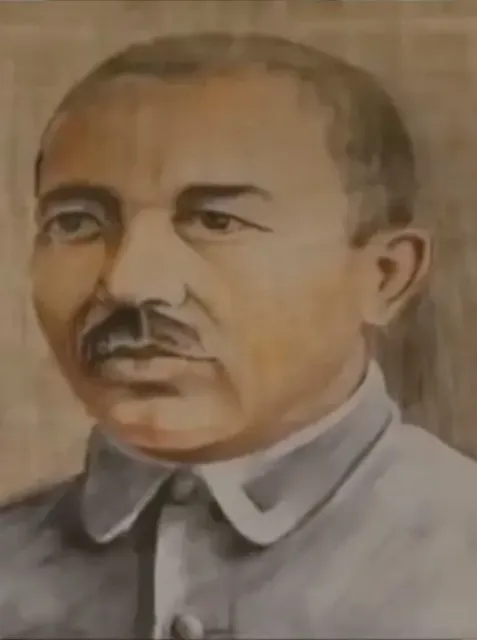
Ghozi Yunus (born Ghozimahamat, son of Mahamatyunus) was born in Tashkent, in the Okhunguzar quarter. Sources disagree on the year: some give 1887, others 1889. His father worked as a master builder in the construction of the new city, and his mother, Zulfiya, kept a small school (maktab). She taught him to read and write; he then studied for about eight years at the Barakhan madrasa, learned Arabic and Persian, and received the title of mulla. He also learned to play the dutar and tanbur and was known as a singer.
In 1916, in the wartime labour mobilisation, he was sent to the Baltic front and came back disabled. Before the revolution he served as secretary of a relief committee in Tashkent and was briefly jailed on a false accusation; in prison he wrote the long poem “Prison Memories, or the Calamity of Injustice”. In those years he also appeared on stage with the Turon troupe, playing a part in Abdulla Qodiriy’s drama “The Unfortunate Bridegroom”.
From 1918 he worked actively in the press: he headed a department at the journal Ishchilar dunyosi, organised and edited the newspaper Mehnatkashlar tovushi, and later served on Ishtirokiyun, Qizil bayroq and Turkiston. In 1918–1920 he ran his own publishing house, Nashri Ghozi Yunus, which printed books including Fitrat’s, and helped bring type and printing equipment from Baku and Bukhara. In 1921 the Tashkent city executive committee awarded him the title “Hero of Labour and the Press”.
As a playwright he wrote more than thirty stage works, twenty-eight of which appeared as separate books from the Uzbek State Publishing House in 1926. The best known is the tragedy Zahhoki Moron, drawn from a legend in Ferdowsi’s Shahnameh: the author himself played Temirtosh, and the production was directed by Mannon Uyghur. In 1923 he took part in founding the satirical magazine Mushtum and led it for many years; he wrote satirical verse and sketches under many pen names and translated a work by V. Bartold into Uzbek.
In the 1920s he was expelled from the Communist Party and removed from his post for criticising state policy. From 1926 to 1937 he worked as a proofreader at the newspaper Qizil Oʻzbekiston, at publishing houses and at journals. On 6 August 1937 he was arrested as an “enemy of the people”, “pan-Turkist” and “pan-Islamist” and sent to the north of Russia.
Ghozi Yunus died on 5 May 1942 in a prison in Vologda, of hunger and illness. He was rehabilitated on 22 January 1957. His name belongs to the history of the Uzbek Jadid press, national theatre and satire.
Education
- Barakhan MadrasaMadrasa · Tashkent · Title of mulla
Career
- Qizil O'zbekiston newspaperProofreader · Tashkent
- Zarafshon newspaperOrganiser · Samarkand
- Turon theatre troupeActor and playwright · Tashkent
Works
- “Zahhoki Moron”Drama (tragedy)
A play drawn from a legend in Ferdowsi’s Shahnameh, staged by the Turon troupe; the author himself played Temirtosh.
- “Prison Memories, or the Calamity of Injustice” (1917)Narrative poem
Written during a spell in jail after a false accusation.
- “Luqmoni hakim” (Luqman the Wise)Drama
One of the plays published as separate books in 1926.
- “Yo'lbosar Alim”Drama
Part of the series of twenty-eight plays printed in 1926.
- “Victim of Ignorance”Drama
A play about the consequences of illiteracy and backwardness.
- “A Child’s Prayer”Drama
A play with a foreword by Abdulla Qodiriy.
- “The Scourge of Illiteracy”Drama
A play in the spirit of the educational campaign.
- “Saidzodalar” and “Bachajish”Satirical stories
Examples of the author’s satirical prose.
Life path
- 1916Baltic front
Mobilised for labour service, sent to the front and came back disabled.
- 1917Relief committee and prison
Served as secretary of a relief committee in Tashkent; jailed on a false accusation, he wrote “Prison Memories” in custody.
- 1918–1920Press and his own publishing house
Headed a department at Ishchilar dunyosi, organised the newspaper Mehnatkashlar tovushi and ran the publishing house Nashri Ghozi Yunus.
- 1919–1920“Zahhoki Moron”
Wrote the play and took the part of Temirtosh in it on the stage of the Turon troupe.
- 1920–1924Tashkent newspapers
Worked as a staff writer, executive editor and department head at Ishtirokiyun, Qizil bayroq and Turkiston.
- 1921Honorary title
The Tashkent city executive committee gave him the title “Hero of Labour and the Press”.
- 1923Mushtum magazine
Took part in founding the satirical magazine and led it for many years.
- 1926Twenty-eight books
Twenty-eight of his plays were published as separate books by the Uzbek State Publishing House.
- 1926–1937Proofreader
After his expulsion from the party and dismissal, he worked as a proofreader at Qizil Oʻzbekiston, at publishers and at journals.
- 1937Arrest
Arrested on 6 August as an “enemy of the people”, “pan-Turkist” and “pan-Islamist”.
- 1942Death
Died on 5 May in a Vologda prison of hunger and illness.
- 1957Rehabilitation
Posthumously rehabilitated on 22 January.
Legacy
Ghozi Yunus was a participant in the making of the early twentieth-century Uzbek Jadid press, national theatre and satire: he founded newspapers and a publishing house, wrote more than thirty plays and helped shape Mushtum magazine. His drama Zahhoki Moron is among the notable works in the repertoire of the first Uzbek national theatre.
Era: Turkestan Jadidism and the early Soviet years, 1910s–1930s- Zahhoki Moron staged by the Turon troupe (1919)
- Mushtum magazine founded (1923)
- Arrest (1937)
- Rehabilitation (1957)