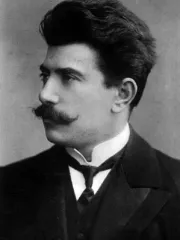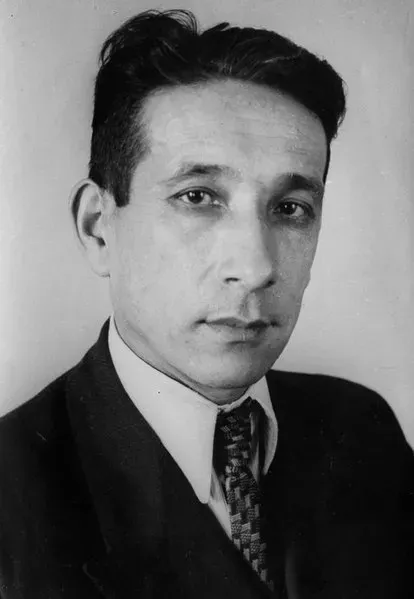
Tolib Sodiqov
Uzbek composer and conductor, one of the founders of Uzbek musical theatre and first chairman of the Composers’ Union of Uzbekistan; with Reinhold Glière he wrote the operas “Layla and Majnun” and “Gulsara”.
Biography
Tolib Sodiqov was born on 12 March (27 February in the old style) 1907 in Tashkent. In 1928 he entered the Institute of Music and Choreography in Samarkand, where he became closely acquainted with folk songs, instrumental music and the Shashmaqom, and performed at the institute’s concerts.
He began composing around 1930 at the Samarkand theatre of musical drama, writing the music for S. Abdulla’s play “Bog‘bon qiz” (“The Gardener’s Daughter”). In 1930–1932 he was music director of the Uzbek State Drama Theatre (the Hamza theatre), and from 1933 he conducted the orchestra of the musical drama theatre in Tashkent; that same year he wrote the music for the musical drama “Layli and Majnun”. From 1941 to 1954 he was chief conductor of the Alisher Navoi Theatre of Opera and Ballet.
In 1939–1941 he studied composition under Reinhold Glière at the Uzbek studio of the Moscow Conservatory; the outbreak of war forced him to break off his studies. Together with Glière he wrote the opera “Layli and Majnun” (1940, libretto by Khurshid), regarded as the first opera in the Uzbek language, and the opera “Gulsara” (1949). The latter was staged at the Navoi Theatre and won a Stalin Prize in 1951.
In 1939–1948 he was the first chairman of the Composers’ Union of Uzbekistan, and in 1951–1954 he headed the music and literature department of Uzbek radio. He wrote the musical dramas “Davron ota” (with A. Kozlovsky, 1941) and “Armug‘on” (with V. Meyen, 1946), the symphonic poem “Shodlik”, the music for the film “Alisher Navoi” (1947), and romances and songs such as “Bahor”, “Sarvigul”, “Bulbul” and “Jonon ko‘rinur”; in all he wrote more than a hundred songs and scores.
He began his last opera, “Zaynab and Omon”, with Zeydman but did not finish it: Yunus Rajabiy and Doni Zokirov completed the work in 1958. Sodiqov died in Tashkent on 5 September 1957. In 2003 he was posthumously awarded the Order “Buyuk xizmatlari uchun”.
Education
- Uzbek Institute of Music and ChoreographyOther · Samarkand · 1928
- Tchaikovsky Moscow State ConservatoryUniversity · 1939–1941 · Uzbek studio at the conservatory, composition in the class of Reinhold Glière
Career
- Uzbek RadioHead of the music and literature department · Tashkent · 1951–1954
- Uzbek National Academic Drama TheatreMusic director · Tashkent · 1930–1932
- Muqimiy Uzbek State Musical TheatreOrchestra conductor · Tashkent · 1933–1939
- Alisher Navoi State Academic Bolshoi TheatreChief conductor · Tashkent · 1941–1954
Awards
 Order «For Outstanding Merit»2003, posthumously · Uzbekistan
 People's Artist of the Uzbek SSR1939 · Uzbek SSR
 Order of the Red Banner of Labour1951 · USSR
 Order of the Badge of Honour1937 · USSR
- Order of the Badge of Honour1950 · USSR
 Stalin Prize1951 · USSR
Life path
- 1928Entered the institute in Samarkand
Began studying at the Institute of Music and Choreography.
- 1930Music for “Bog‘bon qiz”
Wrote the music for S. Abdulla’s play at the Samarkand theatre of musical drama, the start of his work as a composer.
- 1930–1932Music director of the drama theatre
Headed the music department of the Uzbek State Drama Theatre (the Hamza theatre).
- 1933Conductor at the musical drama theatre
Became conductor of the orchestra of the musical drama theatre in Tashkent and wrote the music for the musical drama “Layli and Majnun”.
- 1937Order of the Badge of Honour
Received this order for the first time on 31 May.
- 1939People’s Artist of the Uzbek SSR
Received the title and became the first chairman of the Composers’ Union (until 1948).
- 1939–1941Studies with Glière in Moscow
Studied composition under Reinhold Glière at the Uzbek studio of the Moscow Conservatory.
- 1940The opera “Layli and Majnun”
The opera written with Glière was staged at the Navoi Theatre.
- 1941–1954Chief conductor of the Navoi Theatre
Conducted at the Alisher Navoi Theatre of Opera and Ballet.
- 1949The opera “Gulsara”
The opera written with Glière was staged at the Navoi Theatre.
- 1951Stalin Prize and Order of the Red Banner of Labour
Won a Stalin Prize for the production of “Gulsara”; on 6 December received the Order of the Red Banner of Labour.
- 1951–1954At Uzbek radio
Headed the music and literature department of the radio.
- 1957Death
Died in Tashkent on 5 September.
Works
- “Bog‘bon qiz” (“The Gardener’s Daughter”) (1930)Musical drama
Music for S. Abdulla’s play, the composer’s first major work.
- “Layli and Majnun” (1933)Musical drama
Musical drama after Khurshid’s play, written with N. Mironov.
- “Layli and Majnun” (1940)Opera
Written with R. Glière and regarded as the first opera in the Uzbek language; libretto by Khurshid.
- “Davron ota” (1941)Musical drama
Musical drama written with A. Kozlovsky.
- “Shodlik” (“Joy”) (1943)Symphonic poem
A work for symphony orchestra.
- “Symphonic Study” (1945)Orchestral work
A work for symphony orchestra.
- “Armug‘on” (“The Gift”) (1946)Musical drama
Musical drama written with V. Meyen.
- “Gulsara” (1949)Opera
Written with R. Glière; libretto by K. Yashin and M. Muhamedov; awarded a Stalin Prize in 1951.
- “Zaynab and Omon” (1958)Opera
His last opera, completed after his death by Yu. Rajabiy and D. Zokirov.
- “Bahor”, “Sarvigul”, “Bulbul”, “Jonon ko‘rinur”Romances and songs
The composer’s best-known romances and songs.
Legacy
Sodiqov is regarded as one of the founders of Uzbek musical theatre and of professional music in Uzbekistan. Tashkent’s First Children’s Music School, the People’s Philharmonic and a street bear his name; an international musical charitable foundation in his name was set up in 1998.
Era: Uzbek music of the Soviet era- The opera “Layli and Majnun” staged (1940)
- Stalin Prize for “Gulsara” (1951)
- “Zaynab and Omon” completed (1958)
- International musical charitable foundation named after him established (1998)
- Order “Buyuk xizmatlari uchun” awarded posthumously (2003)
Filmography
| Title | Year |
|---|---|
| Alisher Navoi | 1947 |