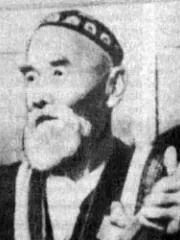
Ergash Jumanbulbul-ogli
Uzbek folk bard and poet, the greatest representative of the Qo'rg'on school of dastan singers; he performed about thirty dastans, among them “Alpomish”, “Ravshan” and “Kuntug'mish”.
- Occupation:
- Singer, Writer, Musician, Folk singer
- Born:
- 1868 — May 12, 1937
- Birthplace:
- Qo'shrabot District, Samarkand
Biography
Ergash Jumanbulbul-ogli was born in 1868 in the village of Qo'rg'on, now in the Qo'shrabot district of the Samarkand region (the village used to be counted as part of the Nurota district; the area was then part of the Emirate of Bukhara). He came from a peasant family in which dastan singers go back seven generations. He learned the art of the dastan from his father, the well-known bard Jumanbulbul.
In 1884–1886 he studied at one of the Bukhara madrasas, learned Persian, became acquainted with Arabic and practised calligraphy. After his father died in 1886 he had to leave his studies for lack of means. In 1887–1889 he served as a mirza (clerk) to an official of the Nurota beklik in the Emirate of Bukhara.
During years of famine, locust plagues and cholera he lost members of his family, and from about 1904–1905 he spent several years wandering. In 1912–1922 he worked as a healer, storyteller and reciter of verse in villages around Bulung'ur, G'allaorol, Urgut, Jizzakh and Panjakent, sometimes performing dastans as well. In 1923 he returned to his village, and in 1924 he opened a one-room school in the village of Qorakisa.
He came to Samarkand in 1925. In 1926–1928, at a centre for recording epics set up in the village of Qirqshodi in the Bulung'ur district, he dictated the dastans he knew together with Po'lkan shoir and Fozil Yo'ldosh o'g'li. In 1929–1936 he lived mostly in his own village, farming and teaching pupils the art of the dastan.
The bard knew about thirty dastans, many of which were written down, among them “Kuntug'mish”, “Ravshan”, “Alpomish”, “Dalli”, “Xushkeldi”, “Qunduz and Yulduz” and “The Birth of Goroghli”. He also composed many termas (sung verses), including a well-known one about Tashkent. The folklorist Hodi Zarifov studied and documented his work.
In 1936 he came to Tashkent and lived in the house of Hodi Zarifov until April 1937. At the end of April 1937 he returned to his village and died the same year, on 12 May (sources give 11–12 May), in the village of Qo'shtamg'ali; he was buried there.
Ergash Jumanbulbul-ogli is regarded as the greatest representative of the Qo'rg'on school of dastan singers. In the village of Qo'rg'on there is a house-museum, a statue and a mausoleum dedicated to him. In 2017 restored statues of him, Islom shoir, Fozil Yo'ldosh o'g'li and Po'lkan shoir were unveiled in the Poets' Garden in Samarkand, and in 2026 an international scholarly conference on his legacy was held in Qo'shrabot.
Life path
- 1868Born
Born in the village of Qo'rg'on (now in the Qo'shrabot district, Samarkand region) into a family of dastan singers.
- 1884–1886Studies in a Bukhara madrasa
Studied at one of the Bukhara madrasas and learned Persian; left after his father's death.
- 1886Death of his father
His father and teacher in the art of the dastan, Jumanbulbul, died.
- 1887–1889Mirza (clerk)
Served as a clerk to an official of the Nurota beklik in the Emirate of Bukhara.
- 1904–1905Years of wandering
After losses in his family he spent several years moving from village to village.
- 1912–1922Around Bulung'ur, Urgut, Jizzakh, Panjakent
Worked as a healer, storyteller and reciter of verse, sometimes performing dastans.
- 1923Return to his village
Returned to Qo'rg'on after years of wandering.
- 1924One-room school
Opened a one-room school in the village of Qorakisa.
- 1925Came to Samarkand
Came to Samarkand.
- 1926–1928Recording of dastans
At the centre in Qirqshodi, together with Po'lkan shoir and Fozil Yo'ldosh o'g'li, he dictated the dastans he knew.
- 1929–1936In his village
Lived mostly in his village, farming and teaching pupils.
- 1936Arrival in Tashkent
Came to Tashkent and lived in the house of the folklorist Hodi Zarifov.
- 1937Died
Returned to his village at the end of April and died on 12 May (sources give 11–12 May) in Qo'shtamg'ali.
- 2017Statue in Samarkand
A restored statue of the bard was unveiled in the Poets' Garden in Samarkand.
- 2026International conference
An international scholarly conference on the Qo'rg'on school of dastan singers and the bard's legacy was held in Qo'shrabot.
Works
- «Kuntugmysh»Dastan
- «Yakka Ahmad»Dastan
- «Alibek and Bolibek»Dastan
- «Dalli»Dastan
- «Ravshan»Dastan
- «Qunduz and Yulduz»Dastan
- «Xushkeldi»Dastan
- «Xoldorkhan»Dastan
- «Qiz Jibek»Dastan
- «The Birth of Goroghli»Dastan
- «Hasankhan»Dastan
- «Avazkhan»Dastan
- «Avaz's Journey to Farang»Dastan
- «Nurali»Dastan
- «Xiroman (Jahongir)»Dastan
- «Alpomish»Dastan
- «Yusuf and Ahmad»Dastan
- «Tulumbiy»Dastan
- «Qironkhan»Dastan
- «Qumri»Dastan
- «Ashiq Gharib»Dastan
- «Vomiq and Uzra»Dastan
- «Varqa and Gulshoh»Dastan
- «Makhtumquli»Dastan
- “Tashkent ta'rifida” (“In Praise of Tashkent”)Terma (sung verse)
A terma composed from the bard's impressions of his stay in Tashkent.
- “Bulbul taronalari” (“Songs of Bulbul”)Collection
A five-volume collection of the bard's dastans and termas (Tashkent, 1971–1973).
Legacy
Ergash Jumanbulbul-ogli is recognised as the greatest representative of the Qo'rg'on school of dastan singers. Folklorists wrote down his dastans and termas, which were published in the collection “Bulbul taronalari”. A house-museum, a statue and a mausoleum dedicated to him stand in the village of Qo'rg'on.
Era: late 19th – first half of the 20th century, the Qo'rg'on school of dastan singers- Began dictating his dastans at the Qirqshodi centre (1926)
- Died in the village of Qo'shtamg'ali (1937)
- Publication of the collection “Bulbul taronalari” began (1971)
- A restored statue was unveiled in the Poets' Garden in Samarkand (2017)
- An international conference on his legacy was held in Qo'shrabot (2026)