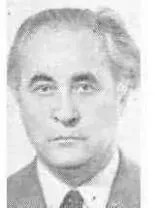
Biography
Ikram Ilkhamovich Akbarov (Ikrom Akbarov in Uzbek) was born on 1 March 1921 in Tashkent; he was a nephew of the musicologist Ilyas Akbarov. He began his musical education in the piano department of the Hamza Music College in Tashkent and then studied in the composition faculty of the Tashkent Conservatory (1939–1945); his teachers in Tashkent included Yu. Fortunatov, S. Vasilenko, L. Revutsky and A. Kozlovsky. He began composing professionally in 1941.
After graduating from the Tashkent Conservatory in 1945, he went on to the Leningrad Conservatory, where he studied in the classes of M. Steinberg and later B. Arapov and V. Voloshinov; he graduated in 1950 and took postgraduate courses there in 1950–1953. In 1954–1957 he taught theoretical subjects at the Tashkent Conservatory.
Akbarov’s name is linked above all with the formation of Uzbek symphonic music. In 1954 he wrote the symphonic poem “In Memory of the Poet”, dedicated to Hamza, followed by the “Epic Poem”, “Samarkand Stories” and the choral symphony “Hamsa” on poems by Navoi. The five movements of “Samarkand Stories” alternate slow and fast movements, as maqom cycles do. He also wrote three violin concertos, six string quartets and two symphonies (1996 and 1998).
His stage works include the ballets “Orzu” (“Dream”), “Layli and Majnun” and “Navruz”, the operas “The Leopard of Sogdiana” (1977) and “The Primordial Mistake”, the oratorios “Toshkentnoma” (1964) and “Eternal Memory” (1985), and musical dramas and comedies. In 1957 he wrote the score for the film “In the Name of Happiness” and became one of the first composers of Uzbek film music; he later wrote for other films and plays. His works were performed abroad as well.
He received the Order of the Badge of Honour in 1959, the title of Honoured Art Worker of the Uzbek SSR in 1964 and that of People’s Artist of the Uzbek SSR in 1981. In 1977 he was awarded the State Hamza Prize of the Uzbek SSR for the choral symphony “Hamsa” and the symphony “Samarkand”, and in 1999 the Order “El-yurt hurmati”.
Ikram Akbarov died in Tashkent on 18 December 2011.
Education
- State Conservatory of UzbekistanUniversity · 1939–1945 · Composition faculty
- Hamza Music College, TashkentCollege · Tashkent · Piano department
- Rimsky-Korsakov Leningrad ConservatoryUniversity · 1953 · Composer (1950), postgraduate studies (1950–1953)
Career
- State Conservatory of UzbekistanTeacher of theoretical subjects · Tashkent · 1954–1957
Awards
 Order «El-yurt hurmati»1999 · Uzbekistan
 People's Artist of the Uzbek SSR1981 · Uzbek SSR
- Honoured Art Worker of the Uzbek SSR1964 · Uzbek SSR
 Hamza State Prize of the Uzbek SSR1977 · Uzbek SSR
 Order of the Badge of Honour1959 · USSR
Life path
- 1939–1945Studies at the Tashkent Conservatory
After the piano department of the Hamza Music College he studied in the conservatory’s composition faculty.
- 1941Start of his creative work
Began composing professionally in 1941.
- 1945Graduated from the Tashkent Conservatory
Finished the conservatory and continued his studies in Leningrad.
- 1950Graduated from the Leningrad Conservatory
Completed his course at the Leningrad Conservatory.
- 1950–1953Postgraduate study in Leningrad
Studied in the classes of M. Steinberg, B. Arapov and V. Voloshinov.
- 1954Symphonic poem “In Memory of the Poet”
Wrote a symphonic poem dedicated to Hamza.
- 1954–1957Teaching at the Tashkent Conservatory
Taught theoretical subjects.
- 1957First film score
Wrote the music for “In the Name of Happiness” — one of the first composers of Uzbek film music.
- 1964Honoured Art Worker of the Uzbek SSR
Received the honorary title; the oratorio “Toshkentnoma” dates from the same year.
- 1977State Hamza Prize
Awarded for the choral symphony “Hamsa” and the symphony “Samarkand”; the opera “The Leopard of Sogdiana” dates from the same year.
- 1981People’s Artist of the Uzbek SSR
Received one of the republic’s highest titles in the arts.
- 1999Order “El-yurt hurmati”
Awarded the order of independent Uzbekistan.
Works
- “In Memory of the Poet” (1954)Symphonic poem
A symphonic poem dedicated to Hamza.
- “Epic Poem”Symphonic poem
A major work of the composer in Uzbek symphonic music.
- “Samarkand Stories”Symphonic cycle
Five movements in which slow and fast movements alternate, as in maqom cycles.
- “Hamsa”Choral symphony
Set to poems by Navoi; the State Hamza Prize (1977) was awarded for it and for “Samarkand”.
- “Orzu” (“Dream”)Ballet
One of the composer’s ballets.
- “Layli and Majnun” (1968)Ballet
A ballet based on the Eastern poem.
- “Navruz”Ballet
One of the composer’s ballets.
- “The Leopard of Sogdiana” (1977)Opera
An opera by the composer.
- “The Primordial Mistake”Opera
An opera by the composer.
- “Toshkentnoma” (1964)Oratorio
An oratorio of the 1960s.
- “Eternal Memory” (1985)Oratorio
An oratorio of the 1980s.
- Six string quartetsChamber music
A cycle in the composer’s chamber-instrumental output.