Andijan Region
Notable people born here (133 people)
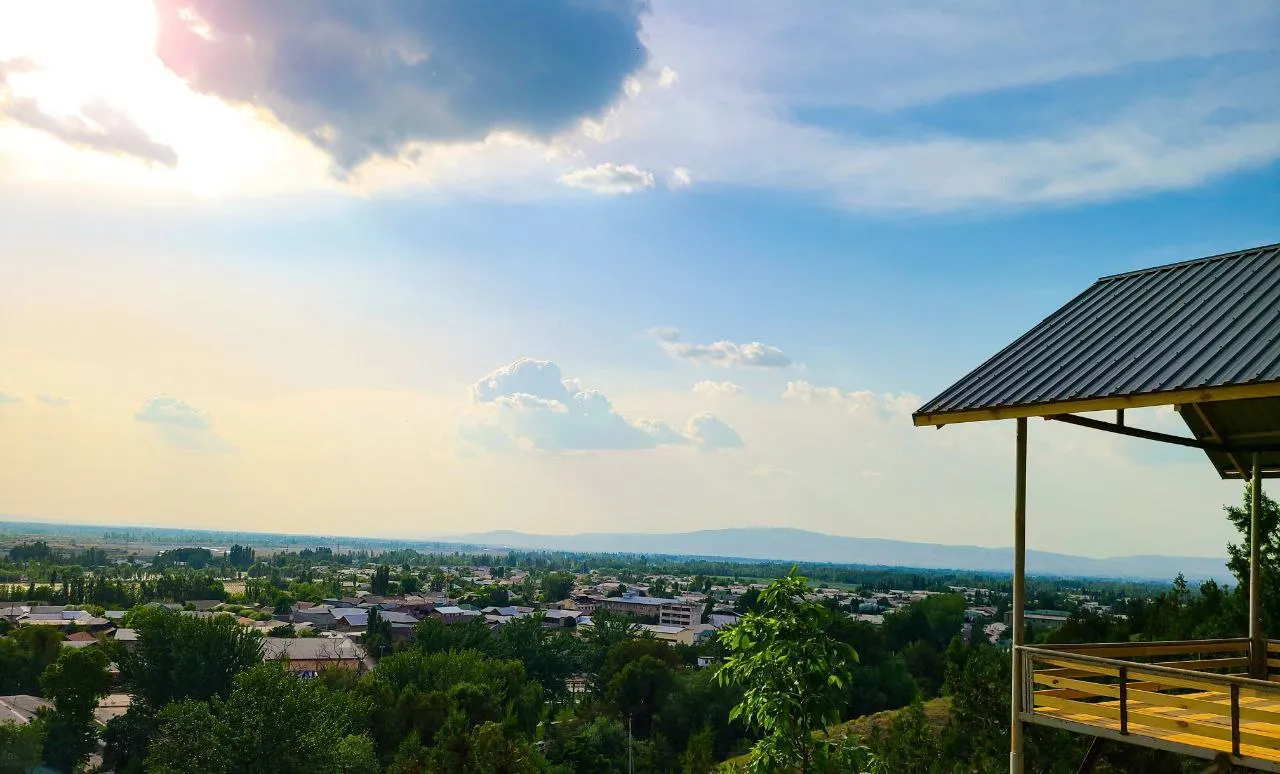
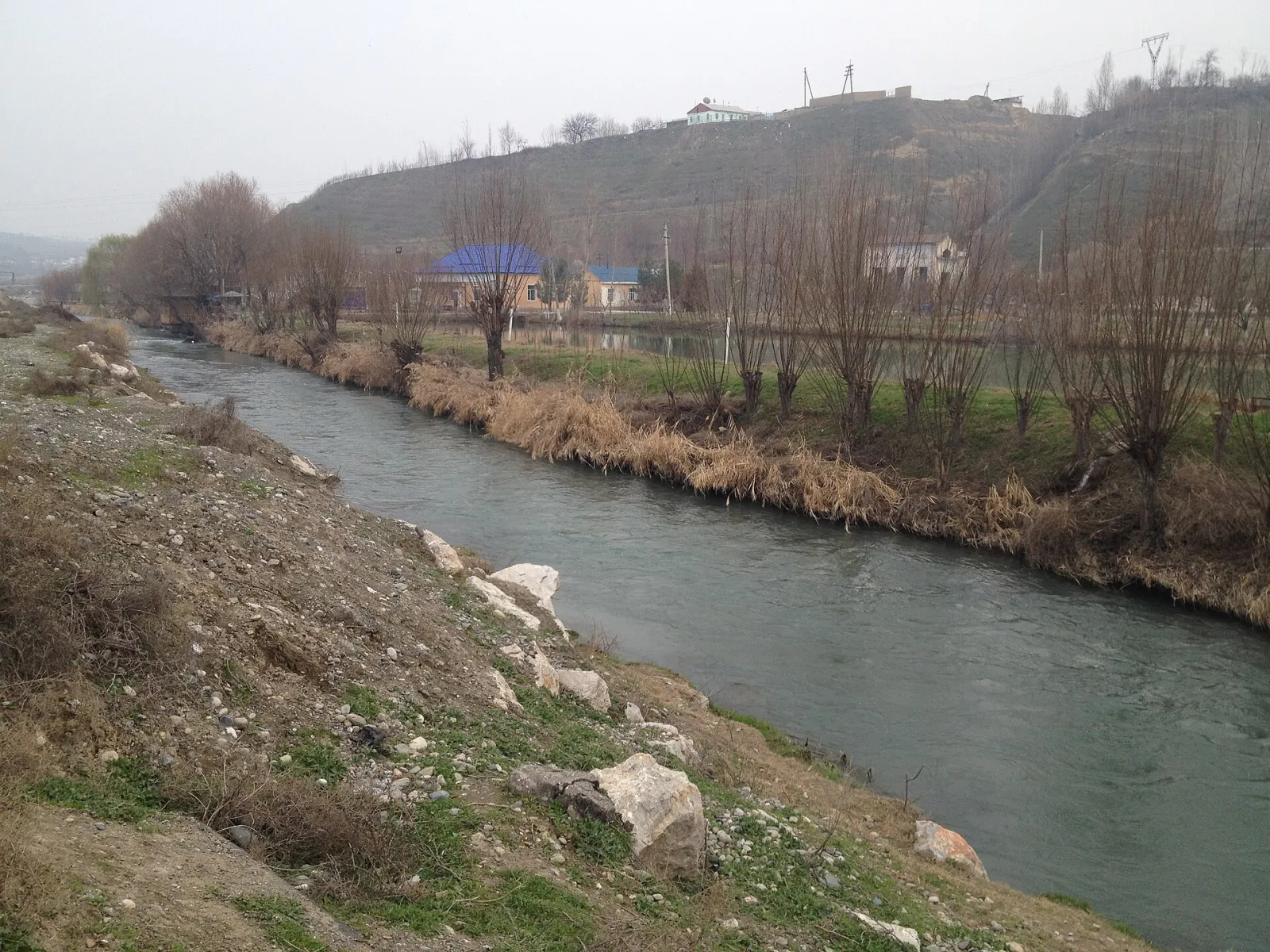
Andijan Region lies at the eastern end of the Fergana Valley. It is one of the smallest regions of Uzbekistan by area but the most densely populated; its centre is the city of Andijan.
- Population
- 3,521,800 (2026)
- Area
- 4,300 km²
- Density
- 819 per km²
- Administrative centre
- Andijan
- Founded
- 1941
Also well known




Cities and districts (15)















About the place — Andijan Region
History
People have lived here since ancient times. The Mingtepa ruins in Marhamat District date to the last centuries BC and are often linked with a major town of ancient Dayuan, the land whose "heavenly horses" appear in Chinese chronicles.
In the Middle Ages Andijan grew into a trading centre on the Silk Road. Under the Timurids it was the capital of the Fergana appanage; Zahir ud-Din Muhammad Babur was born here in 1483 and wrote warmly of his home town in the Baburnama.
In the 18th century the area became part of the Khanate of Kokand, and in 1876, when the Russian Empire abolished the khanate, it was absorbed into Fergana Oblast. The railway arrived in 1899 and boosted the cotton trade. The uprising of 1898 and the devastating earthquake of 1902 were the hardest events of that era.
Andijan Region was carved out of Fergana Region on 6 March 1941. District boundaries changed several times in the following decades, while light industry, engineering and cotton growing expanded.
After independence the first car plant in Central Asia opened in Asaka. Today the region has 14 districts and two cities of regional status, Andijan and Khanabad.
Geography
The region occupies the far east of Uzbekistan, the eastern tip of the Fergana Valley. It borders Fergana Region to the west, Namangan Region to the north-west, and Kyrgyzstan (Osh and Jalal-Abad regions) to the north, east and south. Its area is about 4,300 km², less than one per cent of the country.
The west is an irrigated plain, while the east and south rise into the foothills of the Fergana and Alay ranges. The area is seismically active: the earthquake of 1902 levelled most of Andijan.
The climate is sharply continental, yet the mountains shelter the valley from cold winds, so winters are steadier than on the open plains. January averages about −3 °C and July over 27 °C, with 200–250 mm of precipitation a year.
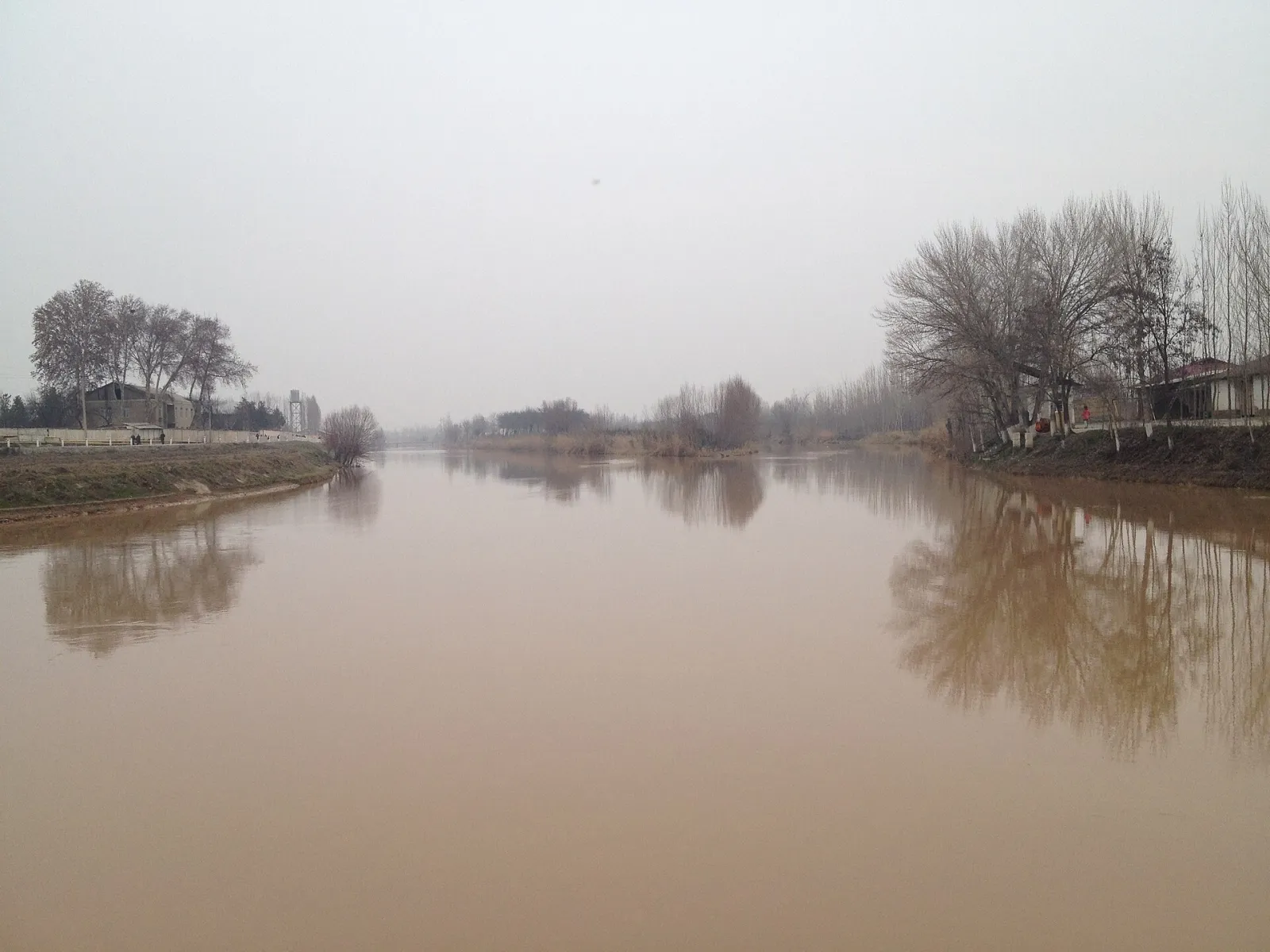
The main river is the Kara Darya, which crosses the region from east to west and later joins the Naryn to form the Syr Darya. The Andijan Reservoir lies on its upper course, and the Great Fergana and South Fergana canals water the fields. Deposits include oil, gas, ozokerite and limestone.
Sights
- Jami complex — a 19th-century ensemble in Andijan whose madrasa and minaret survived the 1902 earthquake; it now houses a museum.
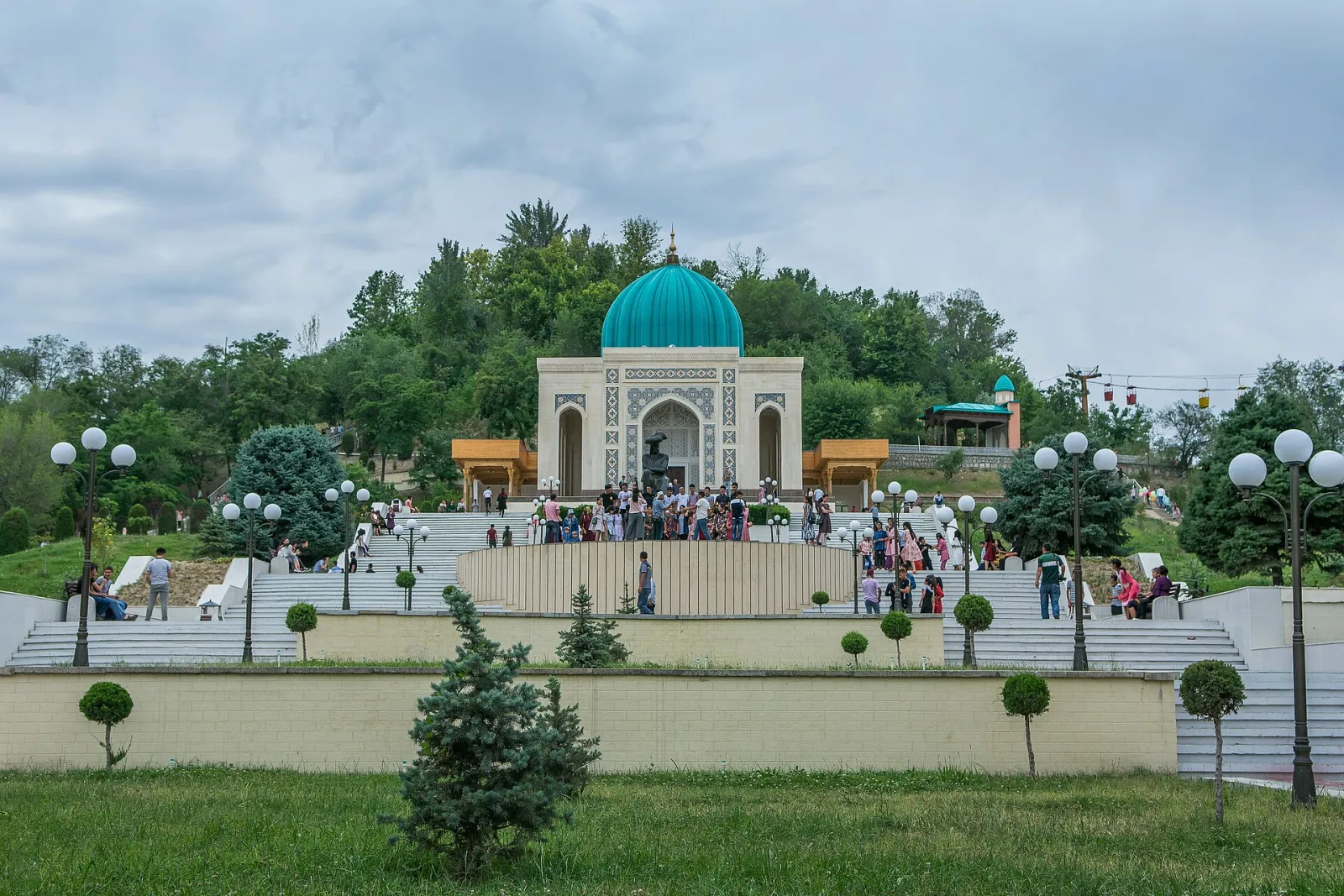
- Babur National Park — a large park on the hills of south-east Andijan with a memorial to Babur and a cable car.
- Babur House Museum — a museum to the author of the Baburnama in the heart of the old town.
- Mingtepa — the ruins of a large pre-Christian-era town in Marhamat District.
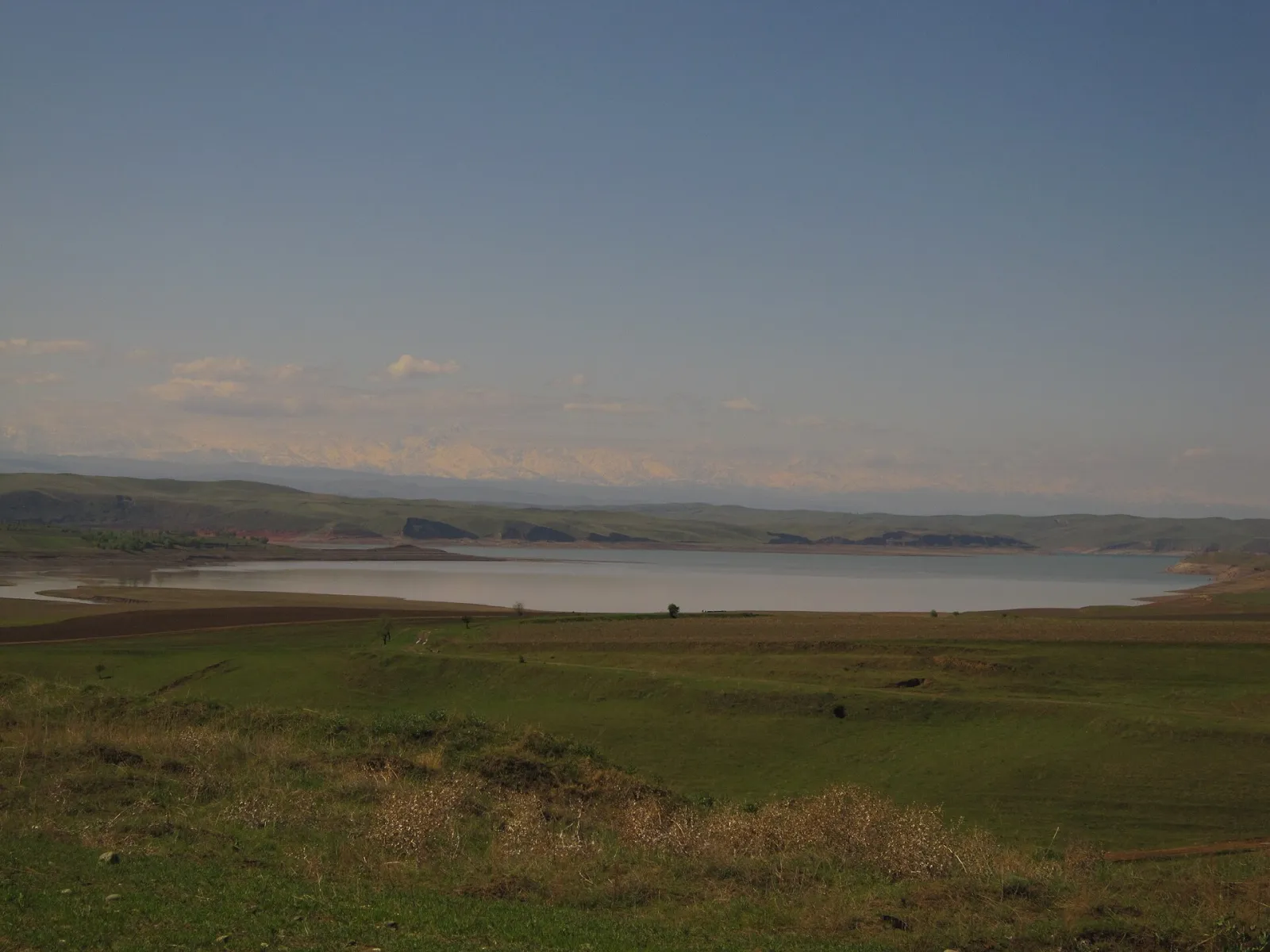
- Andijan Reservoir — a large man-made lake in the Kara Darya valley near the Kyrgyz border, with resorts along its shores.
- Devonaboy Mosque — Andijan's large Friday mosque with a broad dome and two minarets.
- Khanabad — a cool foothill town known for its walnut groves and summer camps.
- Asaka car plant — the first passenger-car factory in Central Asia.
Sources: stat.uz · andstat.uz · Wikidata · Wikipedia (uz) · Wikipedia (ru) · Wikipedia (en) · Wikipedia (ru) · gov.uz