Kashkadarya
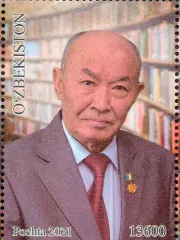
Notable people born here (110 people)
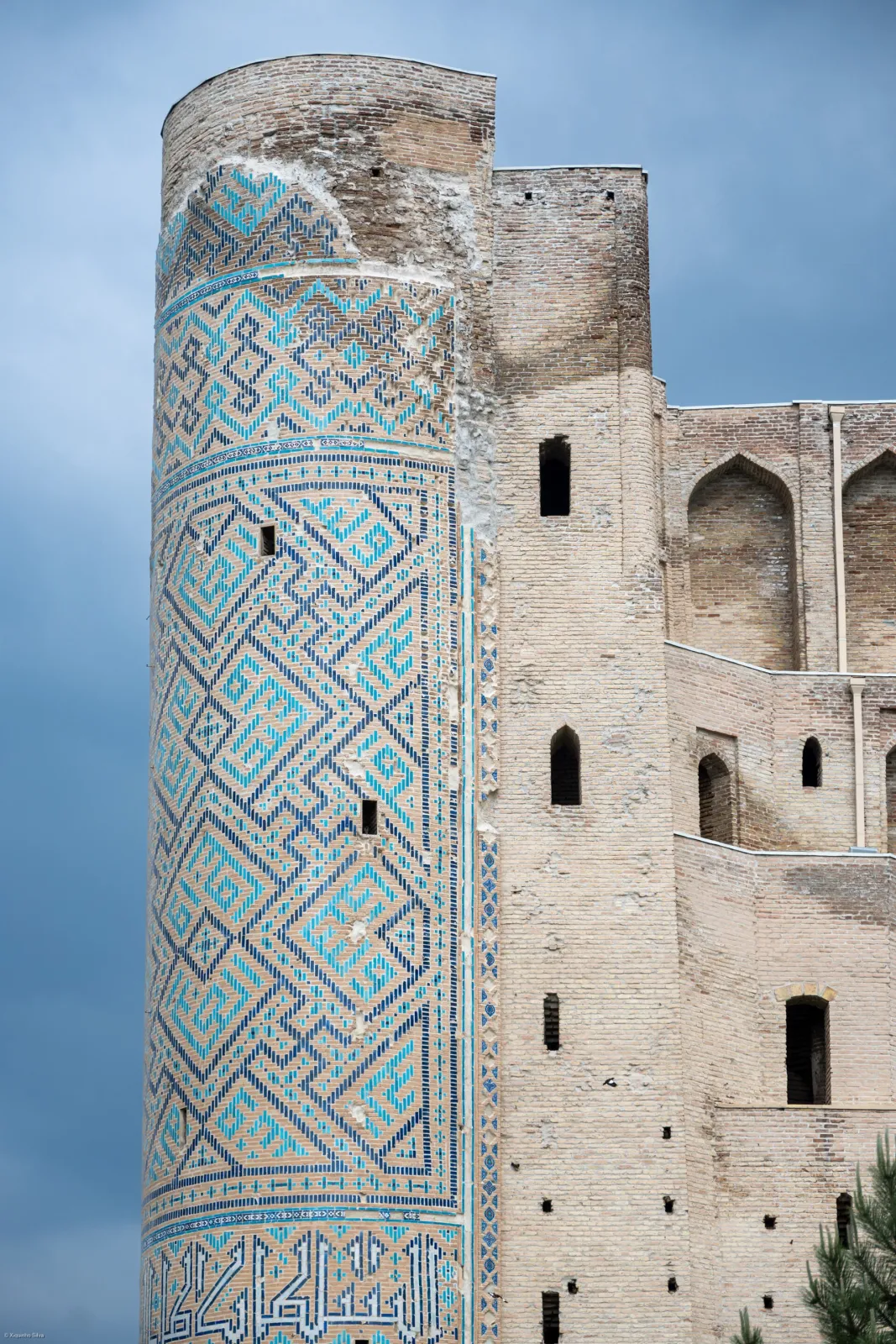
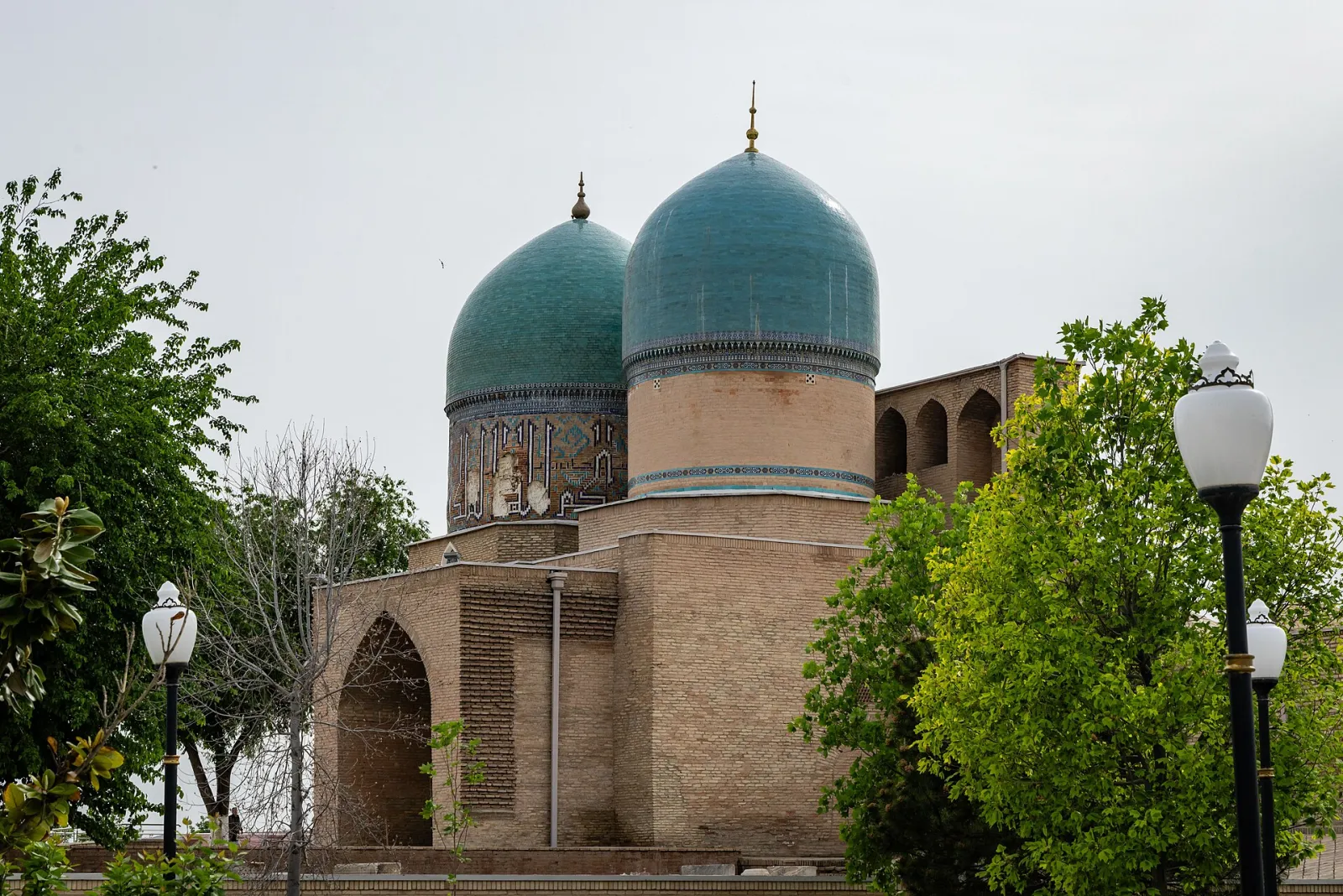
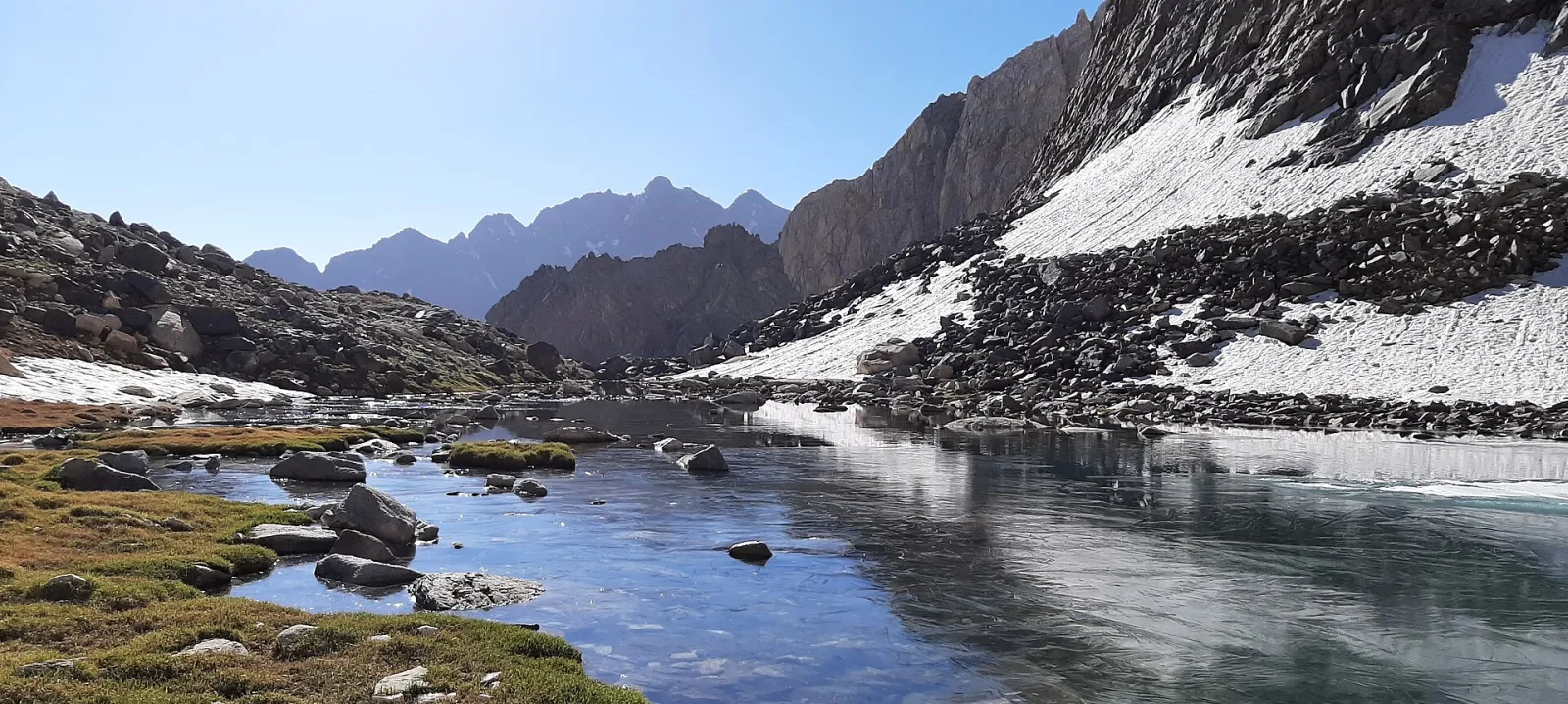
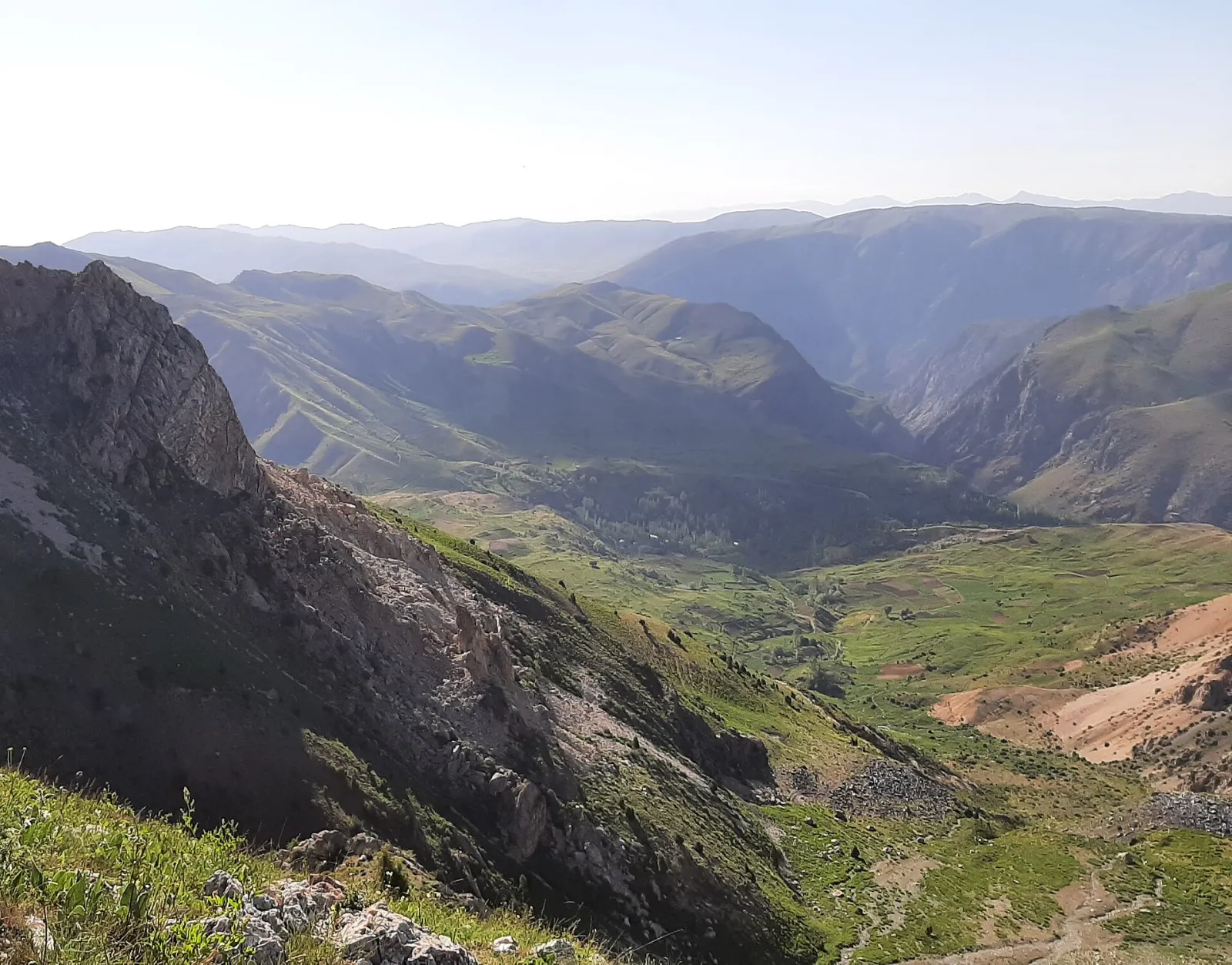
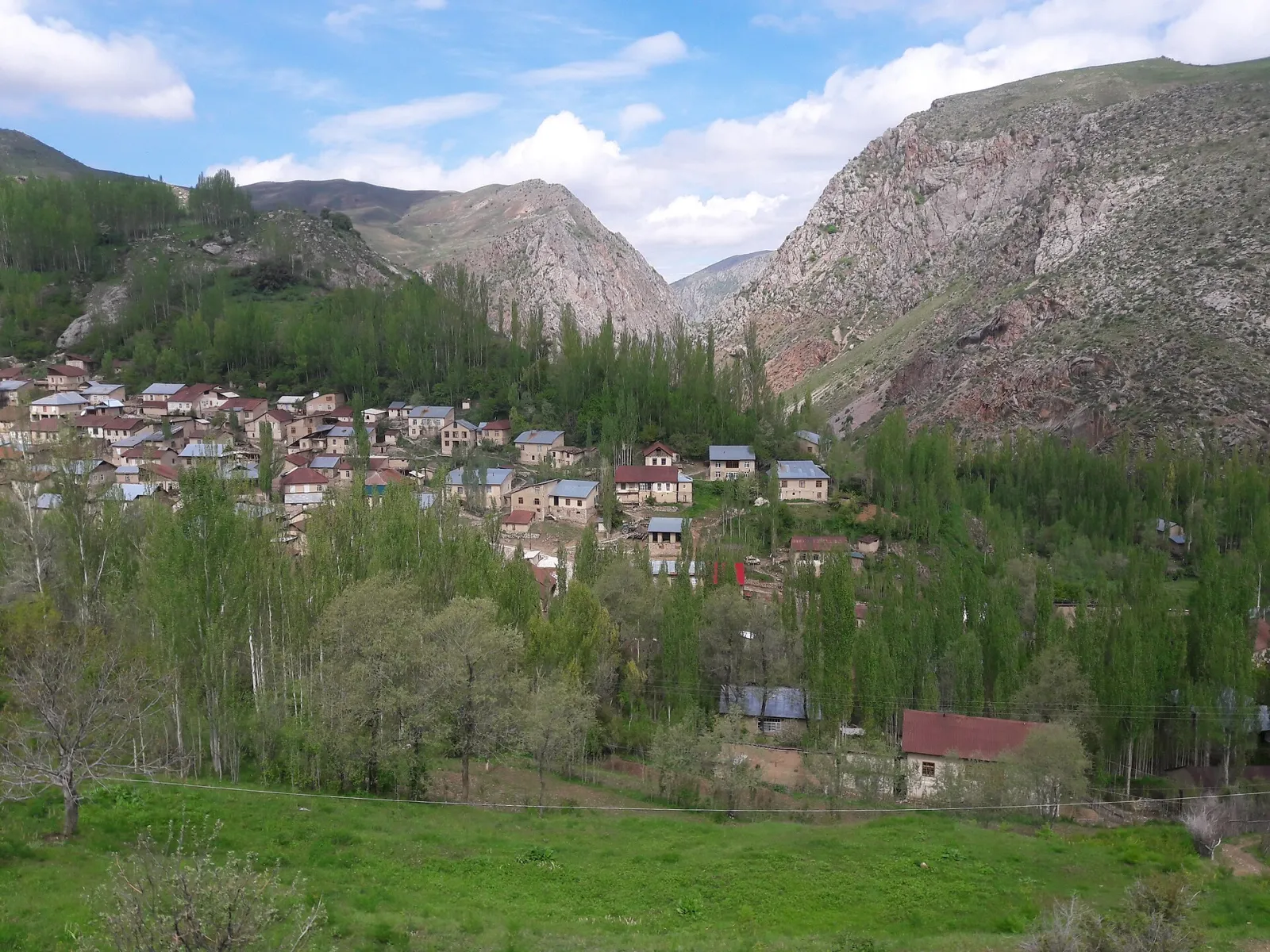
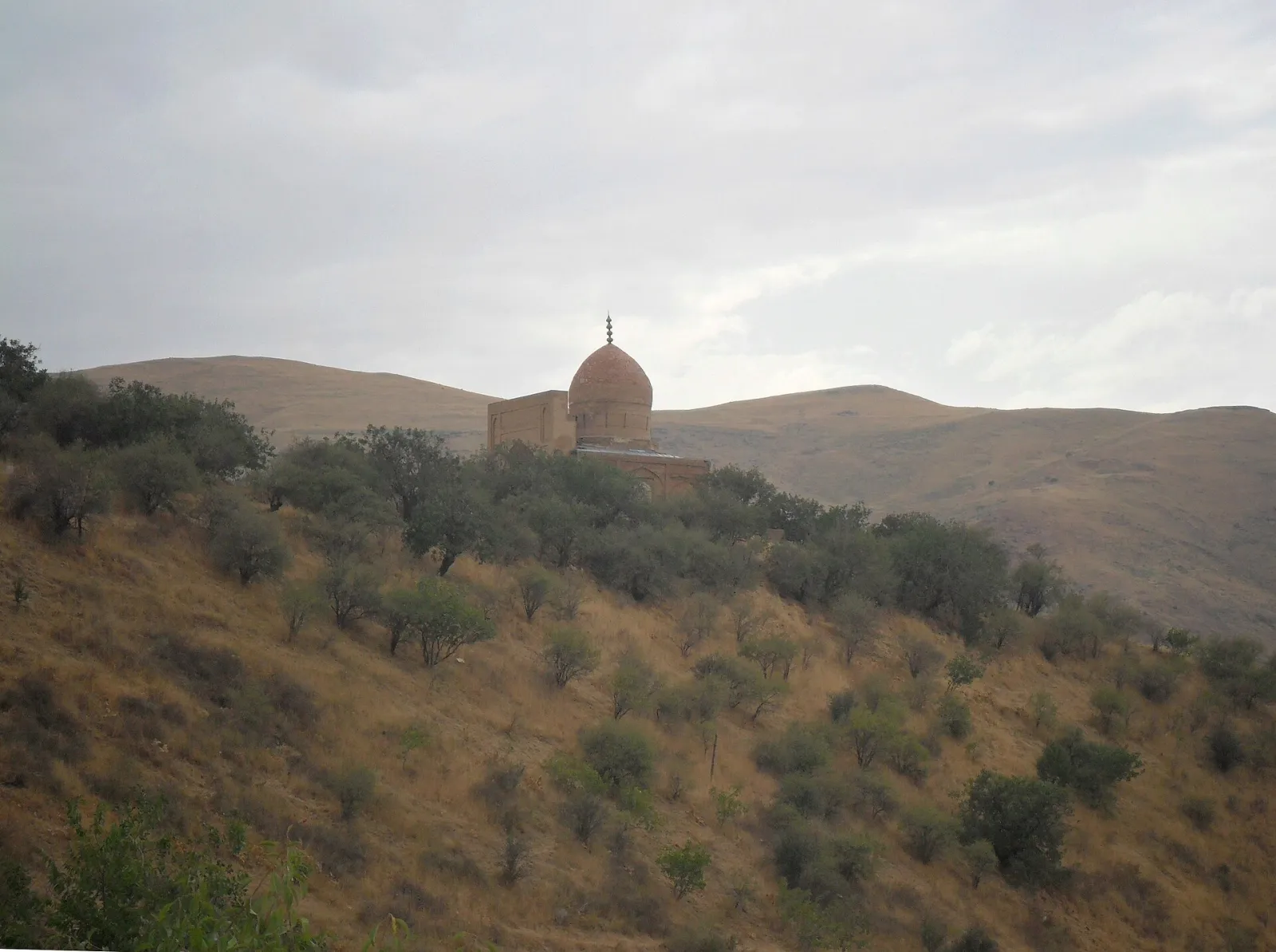
Kashkadarya Region lies in southern Uzbekistan, in the basin of the Kashkadarya River at the western edge of the Pamir-Alay mountains. Its centre is Qarshi, and Shahrisabz, the homeland of Amir Temur, is also here.
- Population
- 3,717,000 (2026)
- Area
- 28,570 km²
- Density
- 130 per km²
- Administrative centre
- Karshi
- Founded
- 1943 (re-established 1964)
Also well known


Cities and districts (14)








About the place — Kashkadarya
History
The Kashkadarya oasis was the southern part of ancient Sogdiana. Its two main towns — Kesh (now Shahrisabz) and Nakhshab, later Nasaf (now Qarshi) — were important stops on the Silk Road, and both have celebrated their 2,700th anniversaries.
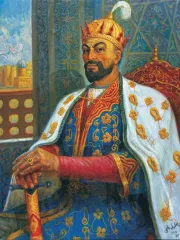
After the Arab conquest Nasaf became a centre of learning, and many scholars from here are known by the name al-Nasafi. In the 14th century the Mongol khan Kebek built a palace near Nasaf, and the Turkic-Mongol word qarshi (palace) became the town's new name. In 1336 Amir Temur was born near Kesh; he built the Ak-Saray palace in Shahrisabz, and his grandson Mirzo Ulugbek built the Kok Gumbaz mosque there.
From the 16th century the oasis belonged to the Khanate, later the Emirate, of Bukhara. Qarshi was the emirate's second city after Bukhara and the seat of the heir to the throne; in 1583, under Abdullah Khan II, a brick bridge was built across the Kashkadarya.
In Soviet times the region's borders changed several times: Kashkadarya Region was formed in 1943, merged into Surkhandarya Region in 1960 and restored in 1964. From the 1970s the reclamation of the Karshi Steppe and the opening of gas fields turned it into a major area for cotton, grain and energy.
In 2000 the historic centre of Shahrisabz was inscribed on the UNESCO World Heritage List. Today the region is one of the most populous in the country.
Geography
The region lies in the basin of the Kashkadarya River at the western edge of the Pamir-Alay mountain system. It borders Bukhara Region to the north-west, Navoiy and Samarkand regions to the north, Surkhandarya Region to the south-east, Turkmenistan's Lebap Province to the west and Tajikistan to the east. It covers about 28,600 km².
The Zarafshan and Hisor ranges rise in the north and east, with foothills between the mountains and the plains. Much of the west is the Karshi Steppe, brought under irrigation from the 1970s by canals carrying water from the Amu Darya.
The climate is continental and in places subtropical: winters on the plains are fairly mild, summers long, hot and dry. January averages 0 to +2 °C and July about +28 to +30 °C. The plains receive around 300 mm of rain a year, the mountains more than 500 mm.
The main river is the Kashkadarya, with the Jinnidarya, Aksu, Yakkabagdarya, Tankhozdarya and Guzardarya as tributaries. There are the Chimkurgan, Pachkamar, Hisorak and Tallimarjon reservoirs. Large gas and oil fields such as Shurtan and Mubarek are worked here. The mountains hold the Hisor State Nature Reserve and the Kitab State Geological Reserve.
Sights
- Ak-Saray (Shahrisabz) — the palace Amir Temur began building in 1380; the remains of its huge portal still stand.
- Dorut Tilovat ensemble — the complex with Ulugbek's Kok Gumbaz mosque and the mausoleum of Shamsiddin Kulol.
- Dorus Siadat — the complex holding the mausoleum of Jahangir, Amir Temur's son.
- Historic centre of Shahrisabz — a UNESCO World Heritage Site since 2000.
- Qarshi Bridge — a multi-arched brick bridge over the Kashkadarya, built in 1583.
- Odina Mosque (Qarshi) — a domed 16th-century mosque with an old cistern (sardoba) beside it.
- Langar Ota complex — an old mosque and shrine in a mountain village of Qamashi district.
- Hisor State Nature Reserve — protects the high mountain forests, juniper woods and pastures of the Hisor range.
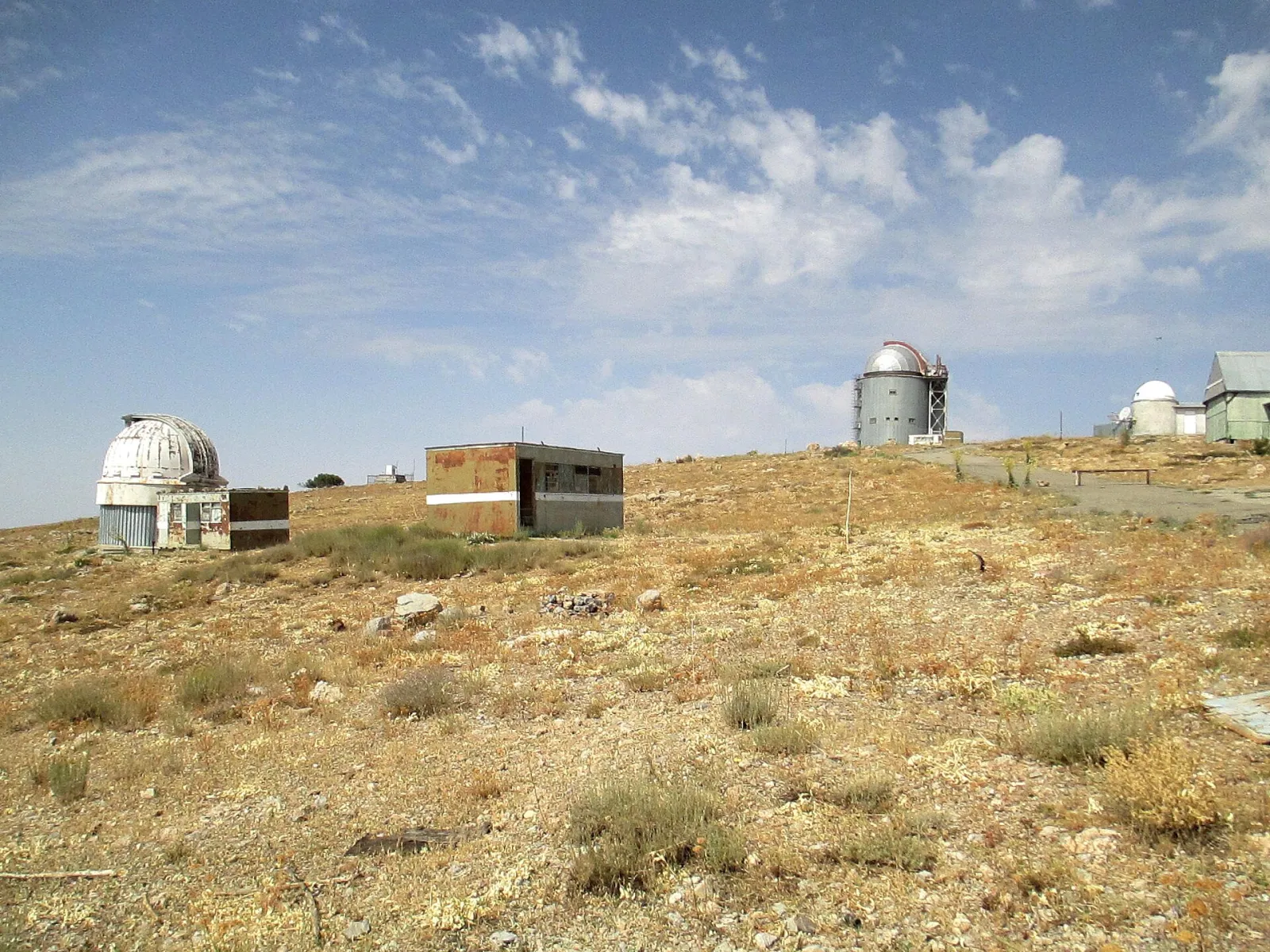
- Maydanak Observatory — an astronomical observatory high in the mountains of Kitab district.
- Kitab Latitude Station — an astronomical station built on the 39th parallel north.
Borders: Bukhara · Navoi · Samarkand · Surkhandarya
Sources: Wikidata · Wikipedia (uz) · Wikipedia (ru) · Wikipedia (en) · stat.uz · api.siat.stat.uz · api.siat.stat.uz · gov.uz