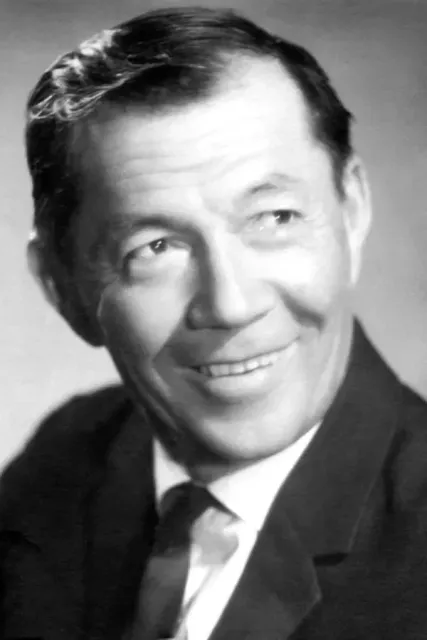
Nabi Rahimov
Uzbek stage and film actor, People’s Artist of the USSR; from 1929 until his death he played at the Hamza drama theatre in Tashkent, known for Iago in “Othello” and many film roles.
- Occupation:
- Actor, Film actor, Stage actor
- Born:
- November 7 1911(83 years old) ♏ — November 23, 1994
- Birthplace:
- Kokand, Fergana
- Spouse:
- Lyubov
- Children:
- Edmund
Biography
Nabi Rahimov was born on 7 November 1911 in Kokand. He appeared on stage as a child, from 1918; in his teens he learned the clarinet in a wind orchestra, and from 1926 to 1929 he acted at the party-club theatre in Kokand.
In 1929 he moved to Tashkent, studied at the Hamza drama studio attached to the State Uzbek Drama Theatre and joined that theatre’s company the same year. The theatre was later named after Hamza (since 2001 the Uzbek National Academic Drama Theatre), and Rahimov stayed on its stage for the rest of his life. His early roles included Laertes in “Hamlet”, Ripafratta in “The Mistress of the Inn” and Norboyvachcha in “Xolisxon”; later he played Khlestakov in Gogol’s “The Government Inspector”.
One of his best-known parts was Iago in Shakespeare’s “Othello”, with Abror Hidoyatov in the title role. In later decades he appeared as Boriboy in “Toga va jiyanlar”, Bobo Kayfiy in “Mirzo Ulugbek”, Shokir-ota in “Qutlug qon” and Albany in “King Lear”. Because he played comic and tragic parts with equal success, theatre writers place him in both traditions.
In 1941 he was called up to a military school, and in 1942–1943 he performed with the front-line brigades of Uzbekistan’s artists. He worked in film from 1943 and took part in dubbing more than a hundred films. His screen roles include “Maftuningman”, “The Star of Ulugbek”, “Bygone Days”, “Fiery Roads”, “Kelinlar qo‘zg‘oloni” and “The Code of Silence”; for his part in “The Apples of ’41” (1969) he won first prize for a male role at the All-Union Film Festival in 1970.
From 1946 to 1961 he taught at the Ostrovsky Theatre Institute in Tashkent, and he was one of the organisers and a regular participant of the Sunday-morning programme “Tabassum” (“Smile”) on Uzbek radio. He was a member of the Communist Party of the Soviet Union from 1945.
He became People’s Artist of the Uzbek SSR in 1950 and People’s Artist of the USSR in 1964, and received the Order of Lenin (1959), the Order of the Red Banner of Labour (1951), the Hamza State Prize of the Uzbek SSR (1967) and the USSR State Prize (1977). His wife died in 1993; he died in Tashkent on 23 November 1994 and was buried at the Chigatai cemetery. In 2004 he was posthumously awarded the Order of Outstanding Merit.
Education
- Hamza Drama Studio of the State Uzbek Drama TheatreOther · Tashkent · 1929
Career
- Uzbek National Academic Drama TheatreActor · Tashkent · 1929–1994
Awards
 Order «For Outstanding Merit»2004, posthumously · Uzbekistan
 People's Artist of the Uzbek SSR1950 · Uzbek SSR
 Hamza State Prize of the Uzbek SSR1967 · Uzbek SSR
 People's Artist of the USSR1964 · USSR
 Order of Lenin1959 · USSR
 Order of the Patriotic War, 2nd class1985 · USSR
 Order of the Red Banner of Labour1951 · USSR
 USSR State Prize1977 · USSR
Life path
- 1911Birth
Born on 7 November in Kokand.
- 1918First steps on stage
Appeared on stage as a child; he later learned the clarinet in a wind orchestra.
- 1926–1929Kokand party-club theatre
Worked as an actor at the party-club theatre in Kokand.
- 1929Move to Tashkent
Studied at the Hamza drama studio of the State Uzbek Drama Theatre and joined the theatre’s company the same year; he stayed there for the rest of his life.
- 1941–1943War years
Called up to a military school in 1941; in 1942–1943 he performed with the front-line brigades of Uzbekistan’s artists.
- 1943Entry into film
Began working in cinema; took part in dubbing more than a hundred films.
- 1946–1961Teaching
Taught at the Ostrovsky Theatre Institute in Tashkent.
- 1950People’s Artist of the Uzbek SSR
Received the title People’s Artist of the Uzbek SSR on 24 February.
- 1964People’s Artist of the USSR
Received the title People’s Artist of the USSR on 15 December.
- 1967Hamza State Prize
Awarded the Hamza State Prize of the Uzbek SSR for Albany in “King Lear”.
- 1977USSR State Prize
Awarded the USSR State Prize for Urganji in Kamil Yashen’s play “Zari revolyutsii”.
- 1994Death
Died in Tashkent on 23 November; buried at the Chigatai cemetery.